Tag Archives: Video

Mesopotamia Test

9 Dec
Test-TakingYour unit test for chapters 3 (lesson 1, 2, 3) and 4 (lessons 1) will be on:
Monday (Dec. 15th) Block H (Hall), G (Martin) or Tuesday (Dec. 16th) Block B (Hall), D (Martin)
The study guide is on our Moodle page. Please review this document carefully! How can you prepare for the test
  • Review the above-mentioned chapters and lessons in your textbook – re-read them! Pay attention to the lesson objectives, main ideas, and the lesson summary.
  • Review vocabulary and notes on our Moodle page and in your notebook.
  • Use the blog (links and videos), especially the Classzone Review site to practice and review.
  • Find a study-buddy, someone who will help you, not distract you!
Here is a playlist featuring videos about Mesopotamia. You might find some of these videos or documentaries helpful when reviewing what you have learned.

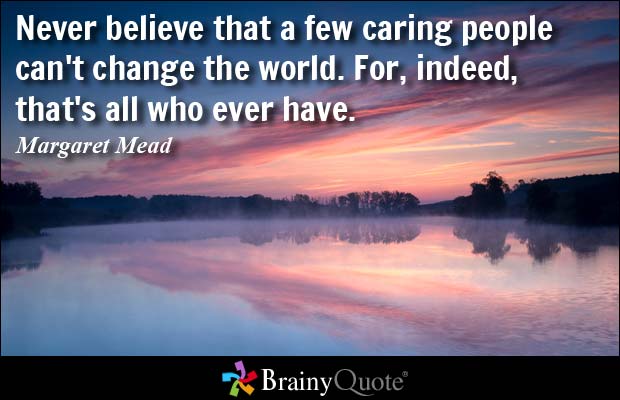
Advisory: What is Caring?

5 Dec

What does it mean to care? How does one show caring?

margaretmead101283

Comment or share other quotes or videos that show the trait of caring.


Hammurabi’s Code of Law

1 Dec

This slideshow requires JavaScript.

Why are laws necessary? What basic ideas about the law did Hammurabi’s Code set up?

Here is a link that Samara shared with me – 8 Things You May Not Know About Hammurabi’s Code

Out of Eden: Mother Rivers

30 Nov

This slideshow requires JavaScript.

Paul Salopek’s Out of Eden blog features a new dispatch. Paul is still in Turkey and moving east. You can read his new dispatch (blog post) entitled Mother Rivers. It features information on the effects of dam building on the Tigris and Euphrates Rivers:
In Turkey, hundreds of dams big and small stopper the headwaters of the Tigris and Euphrates, the two most fabled rivers in history, the streams that moisten the Fertile Crescent. The government insists that these tons of poured concrete are essential for agricultural self-sufficiency, for irrigation, and through hydropower to help reduce the country’s dependency on foreign energy. Environmentalists and archaeologists disagree. The rivers are throttled, they say. And if the Tigris and Euphrates can be deemed the mothers of modern urban life—the nurturers of history’s first cities—then the frenzy of construction, they say, represents a form of parental abuse.
Read this National Geographic article about the dams. Paul also introduces us to his two guides.

http://youtu.be/726-CyEMuoE

External vs. Internal Conflict

24 Nov

This playlist features many examples of external vs. internal conflicts in literature and movies. Can you think of other examples of the conflicts in movies you have watched or books you have read? Comment and add some examples of books or movies, or add links from Youtube of scenes showing external or internal conflict. I can also add them to this playlist, if they are appropriate.

Cuneiform – Development of Writing

23 Nov

Watch any of the videos in this playlist and comment on something you learned about the development of writing in Mesopotamia. Why do historians identify the beginning of history with the beginning of writing?

This slideshow requires JavaScript.

Pilgrim Roads: Out of Eden Journey

19 Nov
“For almost two years, the Out of Eden Walk project, which traces the global spread of early humans, has taken Paul Salopek from Africa’s Great Rift Valley to the Middle East, birthplace of cities and agriculture. On this stretch of his journey, Salopek left the “oceanic vistas of Arabia” to trek the ancient corridor of the Jordan River Valley to Jerusalem and the West Bank, a route long the focus of conquest and conversion.” – Ryan Morris, NGM Staff
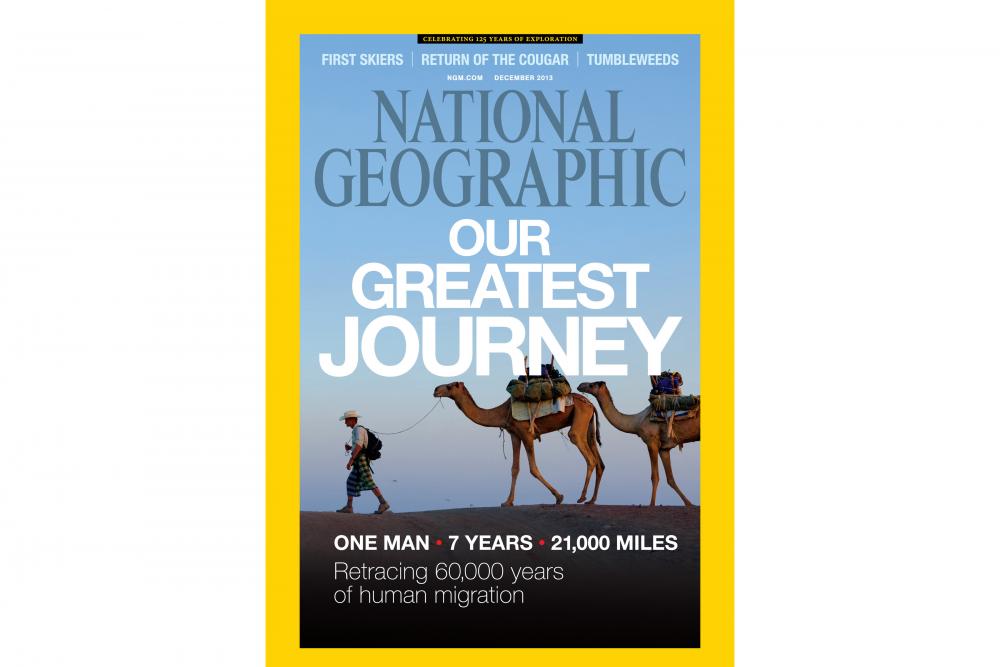
Paul Salopek is still walking in Turkey. A few updates on his journey: He has just written an article for National Geographic that will appear in the next issue. This article is about his walk through the Middle East. You can see it HERE. Also, this is a map of his journey there.  Finally, here is a brief video (less than two minutes long) about his experience there.
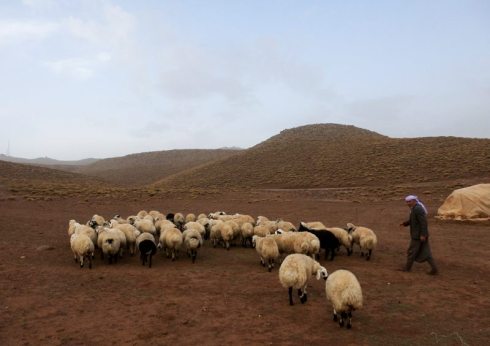
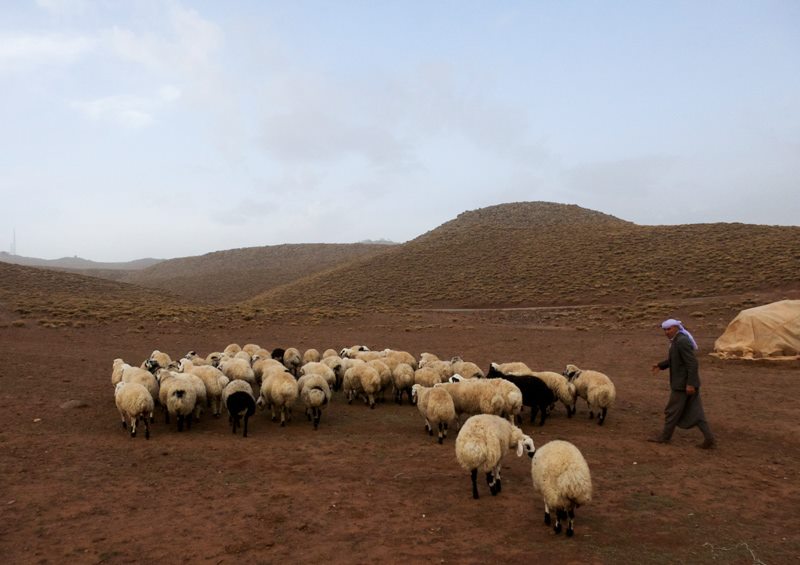
“Pastures of stone. The Kurdish nomad heartland, near Mt. Karacadag, Turkey.” Image source: Out of Eden Walk – Facebook Page

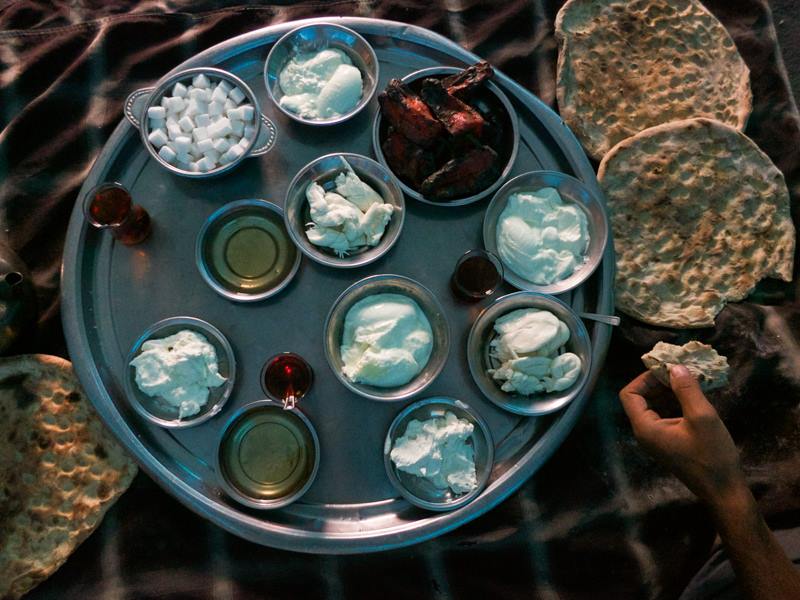
“A palate of whites. A nomad breakfast—yoghurt, goat cheese, roasted peppers, honey. Mt. Karacadag, Turkey.” (Image source: Facebook Out of Eden Walk page)

Life in Sumer

18 Nov
This playlist features video clips that review the legacy and achievements of Mesopotamia. They are a good review of things we have learned in class. Essential Questions to consider:
1) What new tools did the Sumerians invent?
2) Why was the invention of cuneiform (writing) an important development?

Character Traits

13 Nov

In Language Arts, we have been studying characters in the books we are reading. Here are some video playlists which are helpful for understanding character traits. Other materials have been added to Moodle for our current unit. If I asked your best friend to describe you, what three adjectives would he/she use? Please comment.  Also, remember to vote on the poll question we posted last week (scroll down).

Happy Halloween: I Bet You Didn’t Know!

31 Oct

Happy Halloween! Here is a link from the History Channel to some other great videos and information on Halloween and the history behind it. It also features information about candy corn, witches, pumpkins, and more. This Infographic is also excellent and shows Halloween by the numbers. Here is the direct link to the short (and cool!) VIDEOS.

Jack O'Lantern (Photo from History Channel)

Jack O’Lantern (Photo from History Channel)

Ancient Mesopotamia – The Fertile Crescent

28 Oct
This week we begin our new unit in Social Studies, Ancient Mesopotamia (Chapter 3). This video playlist will support what we read in the first lesson (Geography) and will give some background to this amazing empire. Mesopotamia is in the region currently known as the Middle East.
Essential Questions to consider in this lesson:
1) How did the land between the Tigris and Euphrates rivers support agriculture?
2) How did Mesopotamians cope (deal with or overcome) a lack of resources?

Learning to Farm

12 Oct

This slideshow requires JavaScript.

This is  a video playlist gives an overview of what we are learning in Chapter 2, Lesson 2 – Learning to Farm and Raise Animals. Think about: How did agriculture change the way people lived together? What are the major crops grown in your country? Write your country and list the major crops.


2014 Nobel Prize Winners

10 Oct
Source: Getty Images (BBC)

Source: Getty Images (BBC)

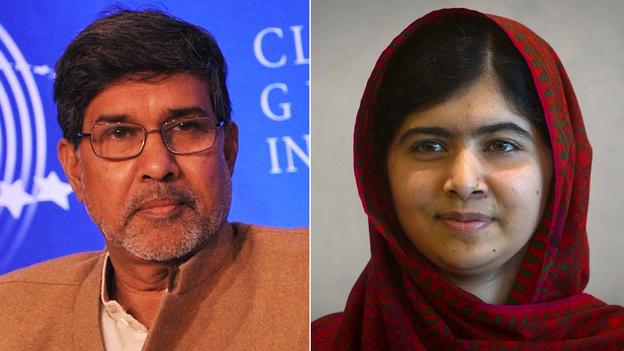
The 2014 Nobel Peace Prize went to advocates for children’s rights with Pakistan’s Malala Yousafzai and Kailash Satyarthi of India sharing the award on Friday.
Yousafzai, a schoolgirl in Pakistan’s Swat Valley, became a worldwide symbol against abuses by the Taliban after she was shot in the head in 2012 by militants who stormed the bus she was riding with other students.  Yousafzai, now 17, later become an advocate for girls’ education and has appeared in some of the most high-profile forums, including an address at the United Nations last year.
Satyarthi, 60, has fought against child labor more nearly two decades and is credited with helping free tens of thousands of children from harsh work conditions and other forms of forced labor, including in the carpet industry and traveling circuses popular in India.

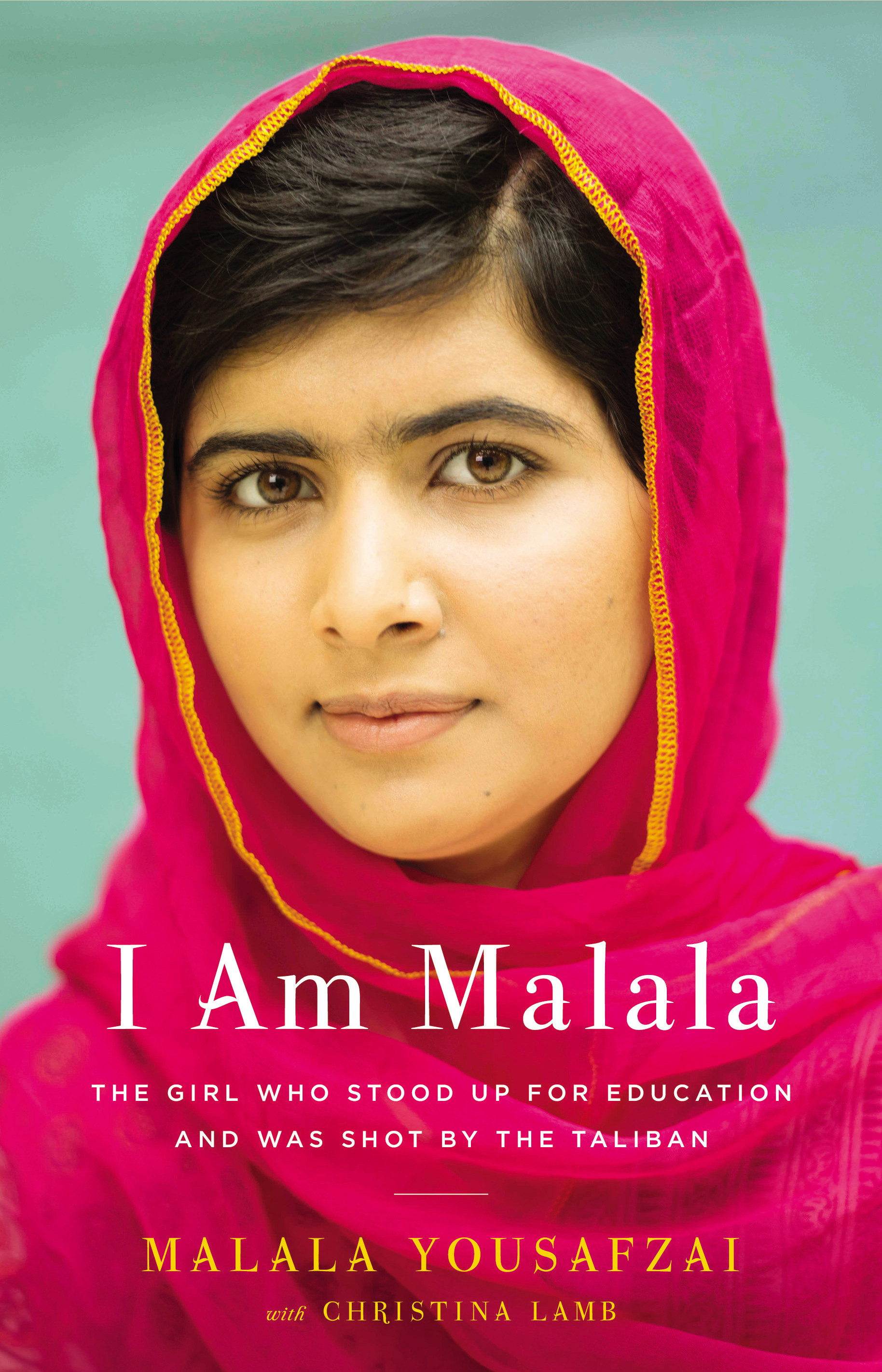
Read this really nice interview with Malala, who talks about her favorite books.

Find this book in our school and class library.

Find this book in our school and class library.

News: Cave Paintings in Indonesia Redraw Picture of Earliest Art

9 Oct

This slideshow requires JavaScript.

Great timing! Here is a story that Mrs. Hall and Mr. Hoover shared with me. According to this National Geographic article, a “hand painted in an Indonesian cave dates to at least 39,900 years ago, making it among the oldest such images in the world, archaeologists reported Wednesday in a study that rewrites the history of art.The discovery on the island of Sulawesi vastly expands the geography of the first cave artists, who were long thought to have appeared in prehistoric Europe around that time.  This BBC article features a short video on the caves. Click on the map below to enlarge, and you will see where Sulawesi is located in Indonesia.

Screen Shot 2014-10-09 at 8.47.15 AM

A Journey of Learning

8 Oct

Paul Salopek shares a video message to students around the world from Turkey where he currently is on his Out of Eden Walk. His latest blog post is entitled ‘This is not a life.” It is about his time in a refugee camp in Turkey on the border of Syria. Check it out!

Otzi, the Ice Man

24 Sep
Image source: South Tyrol Museum of Archaeology, Italy

Image source: South Tyrol Museum of Archaeology, Italy

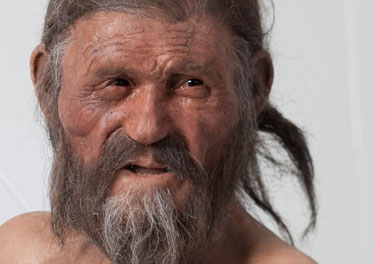
Why is Otzi’s discovery so important to archaeology and the world?

You can learn more about Otzi and the artifacts they found with his body by viewing the link of the museum where he now resides:

South Tyrol Museum of Archaeology, Italy


Out of Eden Walk

19 Sep
Source: pulitzercenter.org

Source: pulitzercenter.org

In class we are learning about early humans and migration. Follow this great story and blog by National Geographic writer, Paul Salopek as he makes a seven year journey following the footsteps of man.  His Out of Eden blog can be found here. Read more about his project here:

From 2013 to 2020, writer Paul Salopek is recreating that epic journey on foot, starting at humankind’s birthplace in Ethiopia and ending at the southern tip of South America, where our forebears ran out of horizon. Along the way he is engaging with the major stories of our time — from climate change to technological innovation, from mass migration to cultural survival — by walking alongside the people who inhabit these headlines every day. Moving at the slow beat of his footsteps, Paul is also seeking the quieter, hidden stories of people who rarely make the news.

You can follow his blog or dispatches on our class blog. There is an RSS feed listed on the right side of the blog and you will see his most recent posts. You can also ask Mr. Salopek questions about his journey. He posts thematic maps here and you can see where he currently is, if you see this Google Map. This is a very cool story, one that you can follow for the next several years. In class, we are brainstorming questions we would ask Paul. We will collect the best questions and post a message on his blog, Out of Eden Walk. Hopefully we will respond during his trek. Below is a video playlist about his journey and human migration (see pages 46-47 in our textbook).

United Nations International Day of Peace

19 Sep
Source: un.org

Source: un.org

Celebrate the United Nations International Day of Peace at AISC. Post a comment and tell us something you enjoyed about how UN Day was celebrated at school and your feelings about peace. What does peace mean to you? Watch UN Secretary General Ban Ki-Moon’s video message.


Archaeologists and Artifacts

25 Aug
This playlist features information on archaeologists, artifacts and a nice video by Bill Nye, the Science Guy.
Comment: What do archaeologists do? After reading sections 1 – 2 (‘Finding Clues to the Past’ and ‘The Search for Early Humans’) tell us why you think studying early people is so hard for archaeologists. Tell us something new you learned from any of these video clips?

What is Social Studies?

12 Aug


Research Projects & Documentaries

26 May
Check out some of the videos that students in Mr. Martin, Ms. Jaya, and Mr. Seth’s class created for their research project.  Many were very creative and artistic and focused on a topic of the student’s choice. Enjoy!


M.S. Party – Goodbyes – Birthdays – Ayyanar Horse

26 May

This slideshow requires JavaScript.

Here are a few photos of 6th graders from the final MS social event, the end of the year party. Make sure you thank Mrs. Hall, Ms. Jaya, and Ms. Lakshmi for organizing all of the events this year. Along with the various chaperones, they have worked hard.
This is a difficult time of year, a time when we say goodbye to friends returning to their country for good or moving to a new country and starting a new adventure. The following students will be leaving AISC this year: Emma, Rika, Jason, Yeon Su, Arya, Mara, Loren, SooIn, Rintaro, Ramu, and Nolan (are we missing anyone?). Please take some time this week and say goodbye and exchange email addresses.  Here are students celebrating birthdays this summer:
June – Aravind (6/2), Mara (6/17), Rintaro (6/25)
July – Seo Young (7/4), Taiga (7/6), Aniketh (7/7),  Mr. Seth (7/11), Alessio (7/13), Natsumi (7/15), Leander (7/19), Margot (7/21), Jason (7/25), Mrs. Hall (7/28)
Finally, check out Karthik and Ramu’s great video and interview with the artists creating the great Ayyanar horses at AISC. I am also including a video in this playlist from our ES tech integrator, Ms. Priya. Both are fantastic!

Celebration of Reading: Book Trailers and Reviews

23 May

read-books

To celebrate our year of reading, we have been creating book trailers and our final book review for our book review blogs. In 6th grade Humanities this year, we have calculated that students have read 2,180 books total (at last count). Many met the “40 Book Challenge,” several surpassed it. All students read a wide variety of genres this year, and we are very proud of them.  Some students are finishing book trailers this weekend, and we will add more to the playlist below.  Check out the book review blogs here:

Mr. Martin/Ms. Jaya/Mr. Seth  and Mrs. Hall/Ms. Jaya

What is your superpower? Vote. Comment.

23 May

X-Men-Days-Of-Future-Past-2014-Retina-Wallpaper

http://youtu.be/SAY0zxWol2s

Vinay made a funny video that he shared with the Middle School at today’s final assembly. X-Men – Days of Future Past is also being released today. If you could have one superpower, what would you want?  Summer is all about blockbuster movies, and they always seem to include a superhero movie. What is your favorite superhero or superhero movie? Vote! Post a comment.


Birthplace of Democracy

12 May
In Social Studies we have learned about citizenship and ancient Greece being the ‘birthplace of Democracy.’ A playlist has been created here to share some short video clips and a documentary (optional) to help you understand the vocabulary and content.