Much of what we know about ancient Greece comes from epic poems, myths, and stories from Homer, who wrote the Odyssey and the Iliad. These are two classic stories that some of you have read. Many of you have also seen movies like Clash of the Titans, Troy, Harry Potter, and Percy Jackson. Hollywood continues to make movies or use elements of Greek literature in their stories or characters. Check out the links on fables and myths on the right side of the blog under ‘Ancient Greece.’ These are great links: heroes andgods and goddesses in ancient Greece.
Odyssey Online – See link for Gods, Goddesses, and Heroes (and Harry Potter!)
British Museum – see the explore, story, and challenge links
Please write acomment about any of the movies or books I mentioned, or the links. Do you know any other books, series, or movies influenced by Greece?
In advisory this week, MS Counselor Ms. Trish talked about the importance of focusing on one thing at a time and the power of meditation. Here is the video she showed you. When you are feeling stressed out, or if you simply need to calm down before taking a test, watch/listen to this video.
You have one week to reply to this poll question. If you selected ‘other’ for a choice, post a comment and tell us what sound you find most relaxing or calming. Thanks.
These two documentaries are really excellent and give a nice overview of what we have learned in this unit. They will, of course, also feature new information as well. Enjoy!
We will have a quiz on Lessons 3 and 4 on Friday. Watch some of the video clips on the Silk Roads or clips here. They support what we have learned in class and what you have read in your textbook. I am sure you will find even more information about the Qin, Han, Silk Roads and the legacy of ancient China in the videos. Post a comment and tell me something interesting you learned…maybe a new fact.
Our final lesson in our Ancient China unit focuses on the legacy of ancient China, their inventions, and the Silk Roads. Watch some videos on the playlist to learn more about the Silk Roads. I (Mr. M) went to a fascinating exhibit at the American Museum of Natural History in New York City a few years ago. Some of the video clips come from that exhibit.
Mr. Phan shared this with us. He said a parent shared it with him. Our current and last unit, China and India, are the two most populous countries in the world today. We have discussed migration a lot this year as well. This is a very interesting documentary. Watch it when you have time and share your opinion of it in the comment section.
Perhaps the most recognizable symbol of China and its long and vivid history, the Great Wall of China actually consists of numerous walls and fortifications, many running parallel to each other. Originally conceived by Emperor Qin Shi Huang (c. 259-210 B.C.) in the third century B.C. as a means of preventing incursions from barbarian nomads into the Chinese Empire, the wall is one of the most extensive construction projects ever completed. Watch the videos clips of the Great Wall on the History Channel link! They are very good.
These video clips are a great way to remind us that we are anything but typical. Having just completed our India unit, these videos are educational and make us reflect on our current unit and the future.
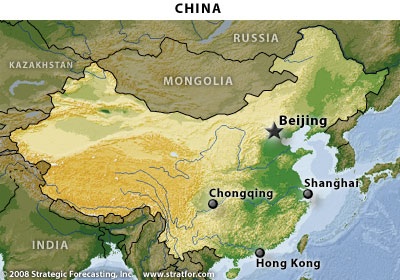
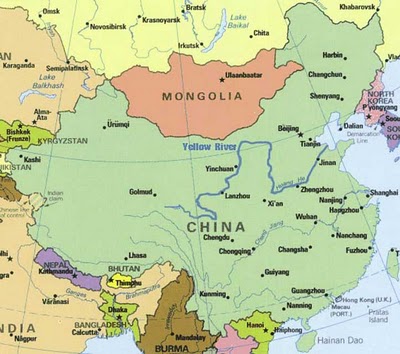
Welcome back from your spring break! We hope it was enjoyable and restful, whether you traveled or stayed in Chennai. April is the start of our new unit – Ancient China. Like previous lessons, we will learn about how geography shaped ancient China (lesson 1). There were many dynasties that ruled China. We will learn about the earliest ones – the Shang, Zhou, Qin, and Han. Watch this great video (#1 on the playlist) about the dynasties of China. The British Museum has a great link of the geography of China. Read the short, animated story of Nu Guaand try the geography challenge.
Here are some documentaries on India, which focus on the legacy of ancient India. They are optional to watch, but they will give you more insight or knowledge and go beyond what we are learning in our textbook to review what India gave to the world. Enjoy.
Here is a video playlist with a few video clips and one documentary about the life of Siddhartha Gautama, the prince who later became known as the Buddha, or the enlightened one. They are optional, of course, but you might find them a good review of the things we have learned. We are sure you will learn many new things about Hinduism and Buddhism though. Post a comment, if you learned sometime particularly interesting that you would like to share with your classmates. If you ever find good videos, please share them with your teachers and we can add them to the blog, if we feel they are good.
The Grade 6 Humanities team is excited to launch our new book review blogs. This will be an opportunity for you to post reviews and rate books you are reading. You will reach a wider audience with these reviews and also have opportunities to connect with students who love the types of books you enjoy. You can also create book trailers or use tech tools to promote your book. Links to our book review blogs are in the ‘Class Resources’ Blogroll on the right side of this blog, but you can also find them below. Post your review on your teacher’s blog, but feel free to comment on either blog. Enjoy!
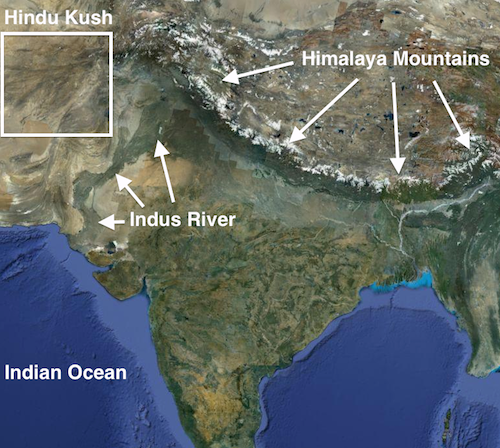
In our first lesson is chapter 7 , we learned about the geography of India – the Ganges and Indus Rivers, mountain ranges like the Hindu Kush and the Himalayas, and much more. This video playlist has some nice short video clips that are a good review of the content we learned. More videos will be added. Post a comment and tell us something you learned (example: In video clip #4, I learned that….).
This week we began our new unit, Ancient Asia. We begin with India and then learn about China. I am sure many of you have seen this TV ad, “Incredible India.” If you haven’t, watch it! India is an incredibly diverse country. We know many of you travel outside of India, or return home for vacations. We are curious about the places you have traveled to in India. Post a comment and tell us how long you have lived in India too. See Mr. Martin’s first comment as a sample comment.
I have created a playlist of different video clips about Ramses II, also known as Ramses the Great. One of the greatest pharaohs of Egypt, he ruled for 66 years and brought stability to ancient Egypt, after his battles with the Hittites.
Check out this really cool history video comparing the ancient civilizations of Mesopotamia and Egypt. This video come from the Utah System of Higher Education and Dr. Nancy Ross. Enjoy!
A giant winter storm is unleashing a second wave of heavy snowfall on the US north-east, as hundreds of thousands of people remain without power in the states in its southern wake. I talked with my family this morning and they are getting LOTS of snow. Occasionally, schools are closed when this happens. Watch these two funny videos which are popular on social media now. Maybe our principals can make a video like this, if we ever have a ‘monsoon day.’ Ha! Have a nice weekend. Mr. Martin
If you click on this playlist, you will find several video clips and a three-part documentary on Queen Hatshepsut, the first woman to rule as pharaoh in Egypt. She was a great leader known for expanding trade and Egypt’s economy; her death was a mystery. We will learn more about her and other New Kingdom leaders in our last lesson in chapter 5.
We began our new unit on ancient Egypt on Monday. This is an excellent unit which we are sure you will enjoy. Over the next few weeks, we will learn about the geography, life in ancient Egypt, the pyramids, the different kingdoms, the legacy of ancient Egypt and much, much more. The first video is a travel advertisement which is short, but nice. It gives you a glimpse of what it looks like today. The second video gives you some information about ancient Egypt. Both videos are a nice introduction to our unit.
Here are two videos: 1) the Hanging Gardens of Babylon and 2) the Ishtar Gate (2). I hope you find them interesting and helpful. They are meant to support what you have read in chapter 4, lesson 2. Post a comment about one or two interesting facts you learned from one of the videos.
In class this week, we are learning about theEpic of Gilgamesh, the great surviving work of Mesopotamian literature. Gilgamesh is a demigod of superhuman strength who built the city walls of Uruk to defend his people from external threats. He is usually described as two-thirds god and one-third man. The animated video below is a nice introduction and overview to Gilgamesh. Enjoy!
Epic (noun) – a long poem, typically one derived from ancient oral tradition, narrating the deeds and adventures of heroic or legendary figures or the history of a nation. Synonyms: story, saga, legend, romance, chronicle, myth, fable, tale, heroic poem.
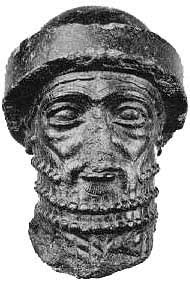
In Chapter 4, lesson 1 we will learn about early empires in Mesopotamia and the Code of Hammurabi. It is a great example of a primary source and is one of the oldest deciphered writings in the world and can now we found in the Louvre in Paris, France.
Document-Based Question: What do you think these laws tell you about justice at this time? Look at examples of some of the laws on page 115 of your textbook, or click the link above.
"My mission in life is not merely to survive, but to thrive; and to do so with some passion, some compassion, some humor, and some style."
- Maya Angelou





 Linking to Thinking
Recent Comments