Archive | Social Studies RSS feed for this section


What is geography?





First Week of Social Studies
13 Aug
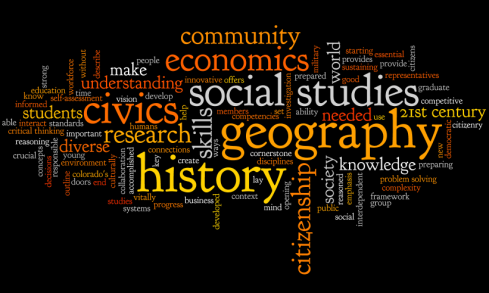
Social Studies Wordle (image source: http://easterntechhs.bcps.org/Academics/social_studies_department)

An example of a brainstorm to the question: What is Social Studies?

Is, Does, Says, and Isn’t – A great Social Studies class!
Here are some samples of work we have done during the first week of school. We have talked about: 1) class rules and expectations, 2) how we can make our class a great one (working agreements), 3) what social studies is, and 4) tools historians use to learn about the past – primary and secondary sources. The video playlist below and the images above are things that will help remind you of work we have done in class. All students have a textbook. Please keep your textbook home all year. We have a class set of textbooks we can use. All students should have a spiral notebook for social studies and an accordion folder that can be used for all 6th grade classes.
How Religion Spread Around the World
16 JulHinduism, Buddhism, Christianity, Judaism, and Islam are five of the biggest religions in the world. Over the last few thousand years, these religious groups have shaped the course of history and had a profound influence on the trajectory of the human race. Through countless conflicts, conquests, missions abroad, and simple word of mouth, these religions spread around the globe and forever molded the huge geographic regions in their paths. Watch this short video from Alex Kuzoian that appeared in Business Insider this week.
26 Ancient Ruins You Should Visit In Your Lifetime
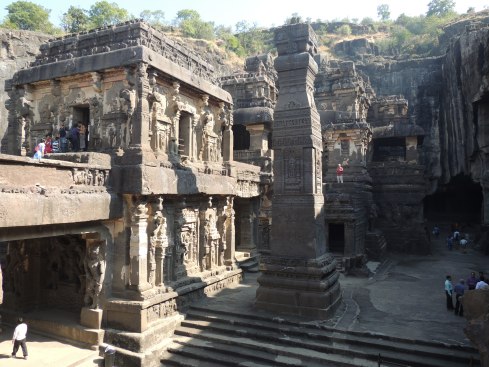
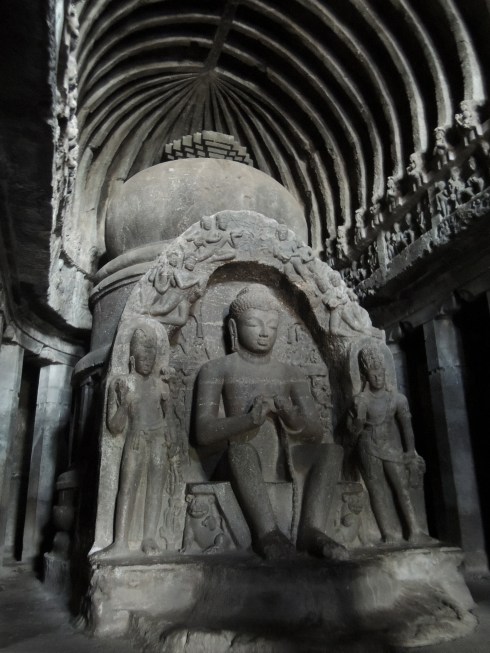
23 JunIt’s incredible that monuments built by ancient civilizations thousands of years ago still stand today. Seeing these sites is like stepping back in time and witnessing what life was like in a place that ceased to exist years ago. Check out this slideshow of 26 ancient ruins from Business Insider Australia. I am sure there are some places that are missing, but this is a nice list. I feel fortunate to have visited many of them (11, so far). Have you visited any of these ruins? Here are two photos I took of the Ellora Caves in India, one of my favorite places in India. – Mr. Martin
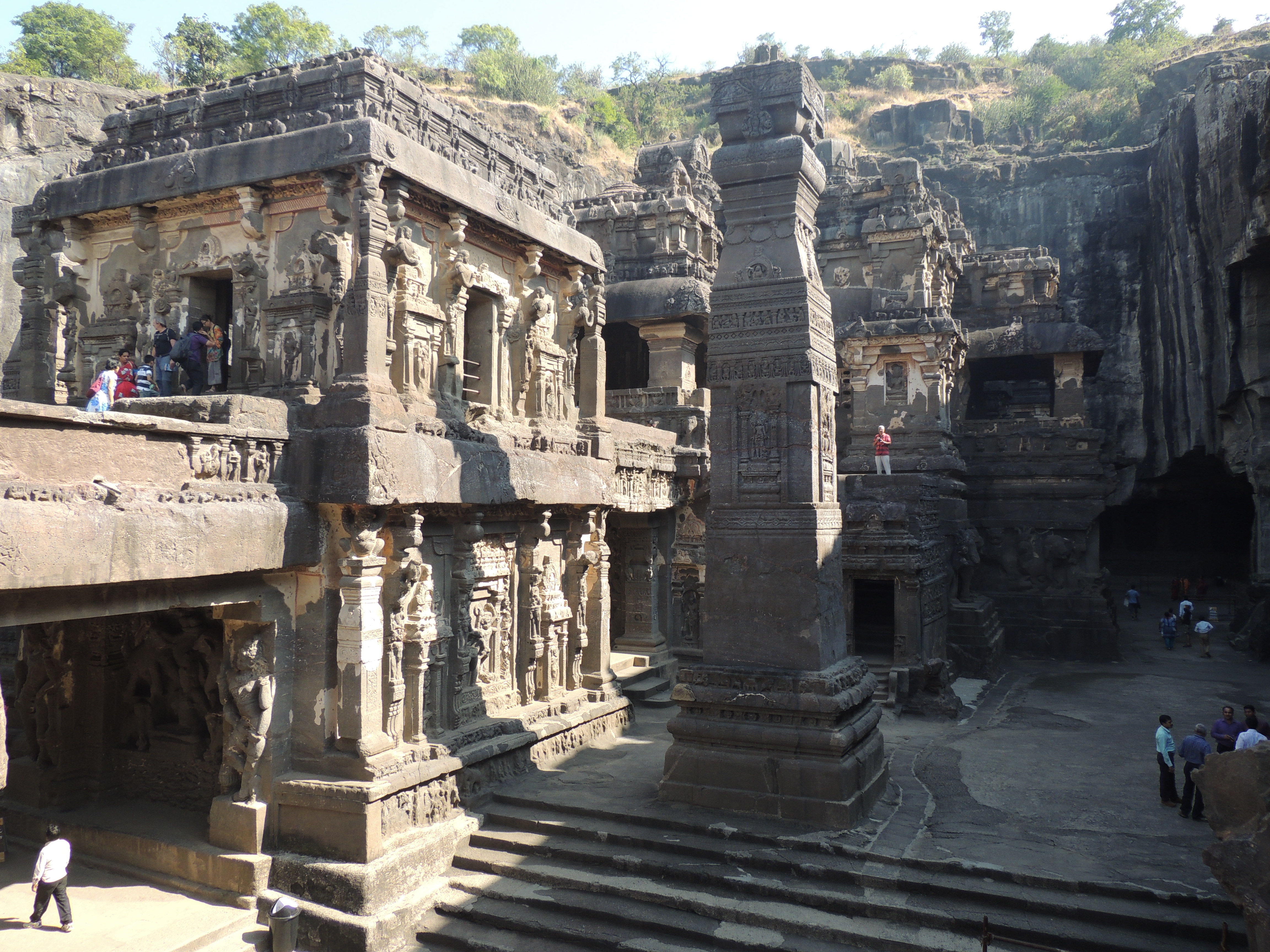
Ellora Caves, India (Photo by Rob Martin)
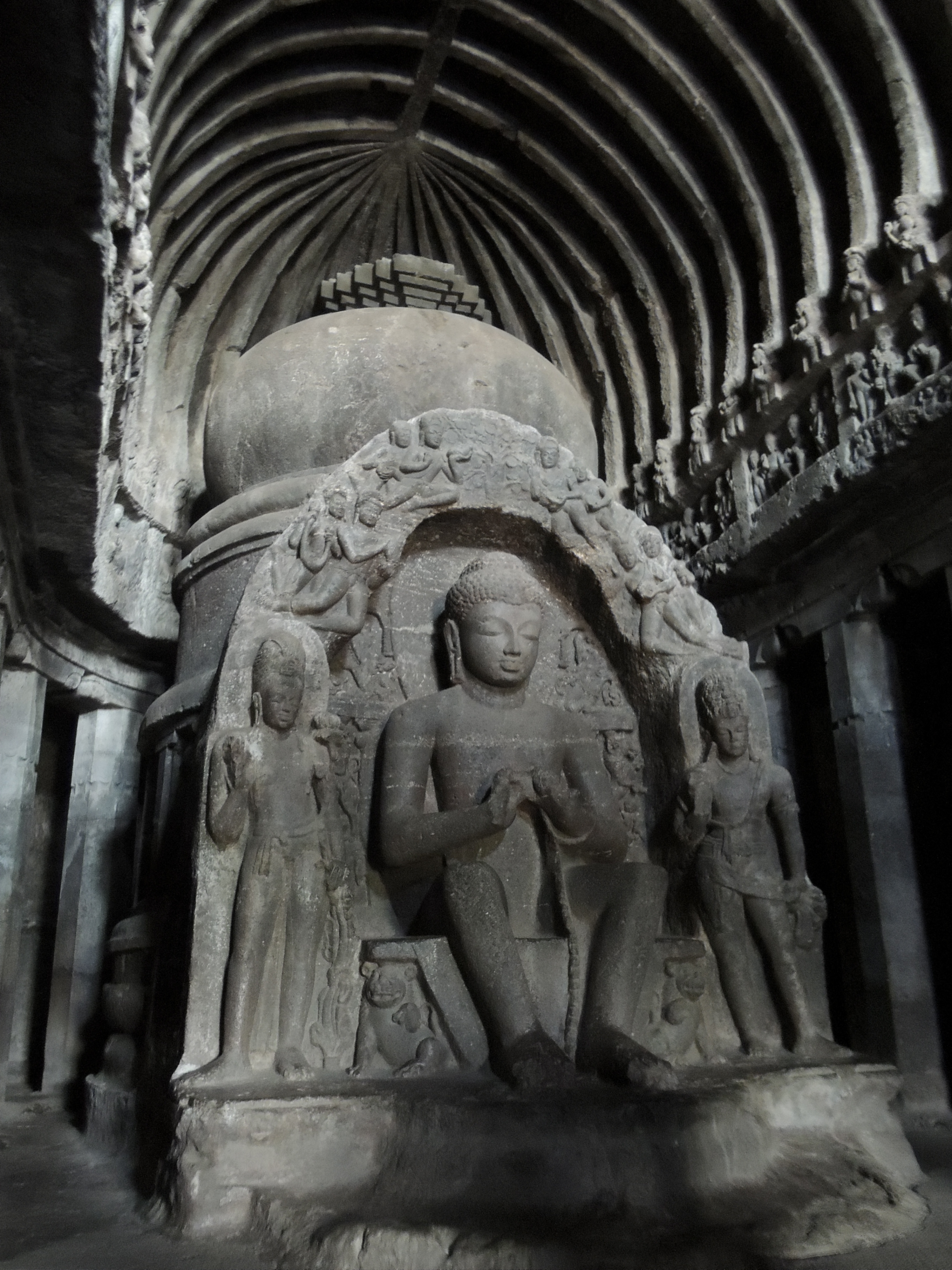
Ellora Caves (Photo by Rob Martin)
Nepal Earthquake
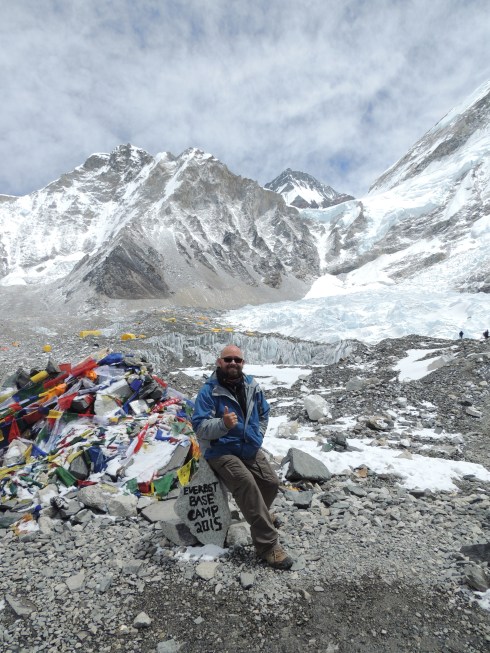
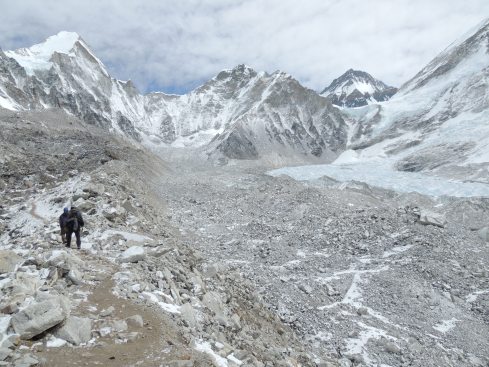
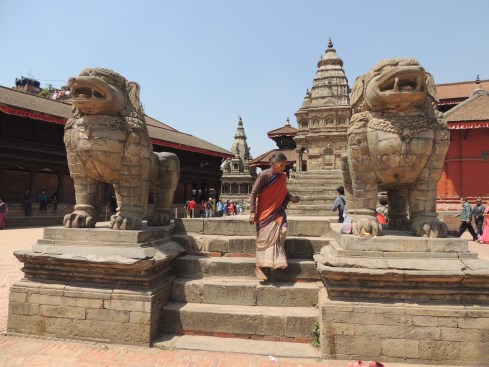
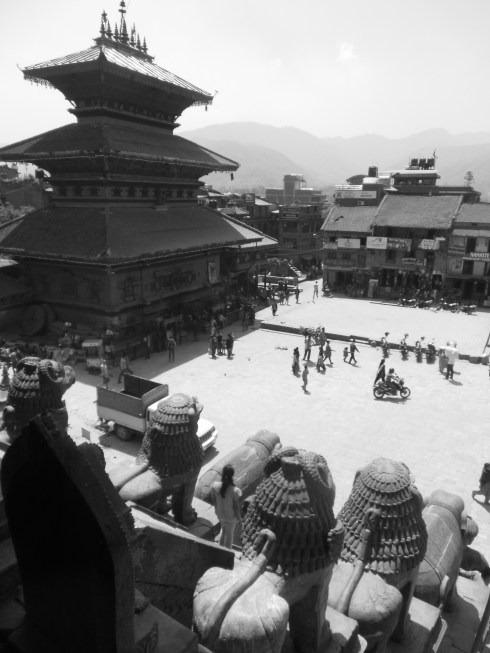
27 AprI am sure you have been following the news on Nepal and the earthquake that struck last Saturday. This video gives a nice overview of Kathmandu, the capital. It’s hard to believe I was just there two weeks ago, my third trip to Nepal. I hiked to Everest Base Camp, the scene of avalanches and several deaths. I also had the chance to walk around some amazing World Heritage sites, hundreds of years old during my final weekend in Kathmandu. Many of these are now destroyed. I will be adding further information or editing this post to add links and information about how you can help the people of Nepal.
Articles:
Nepal’s 8 Key Historic Sites: What’s Rubble, What’s Still Standing (National Geographic)
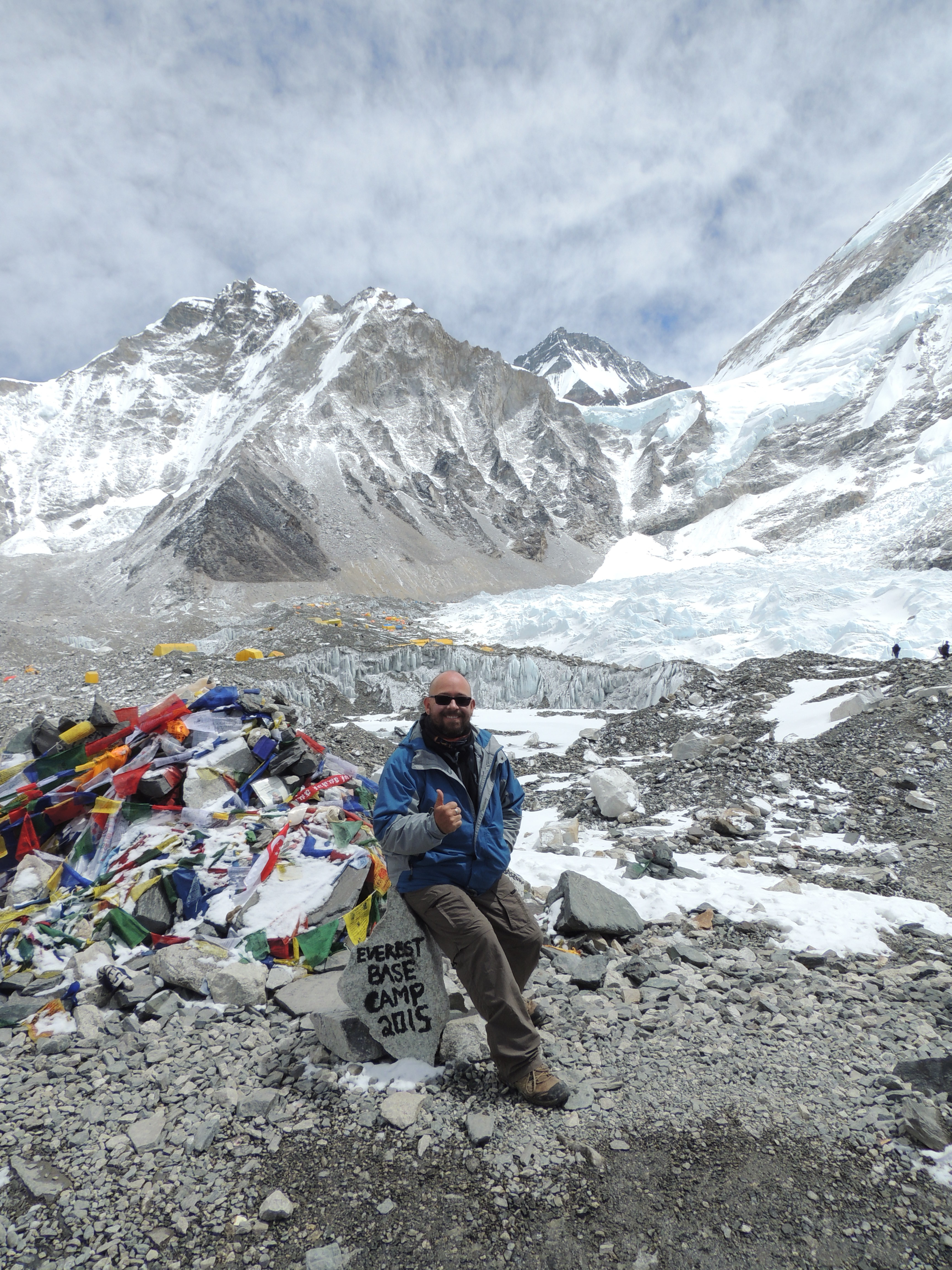
At Everest Base Camp – see the orange tents in the background. (Photo by Rob Martin)
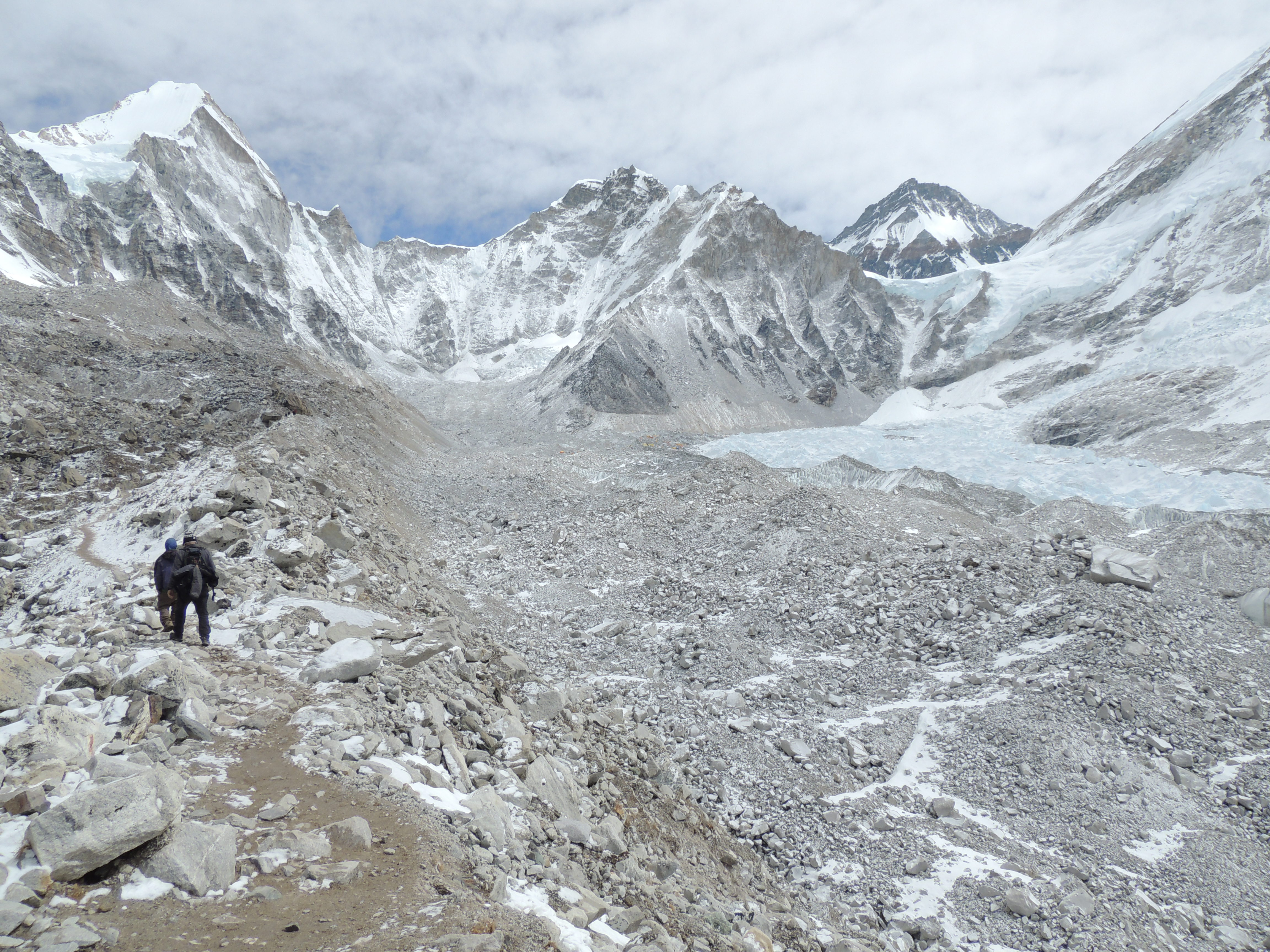
Approaching Everest Base Camp with Khumbu icefall and glacier (Photo by Rob Martin)
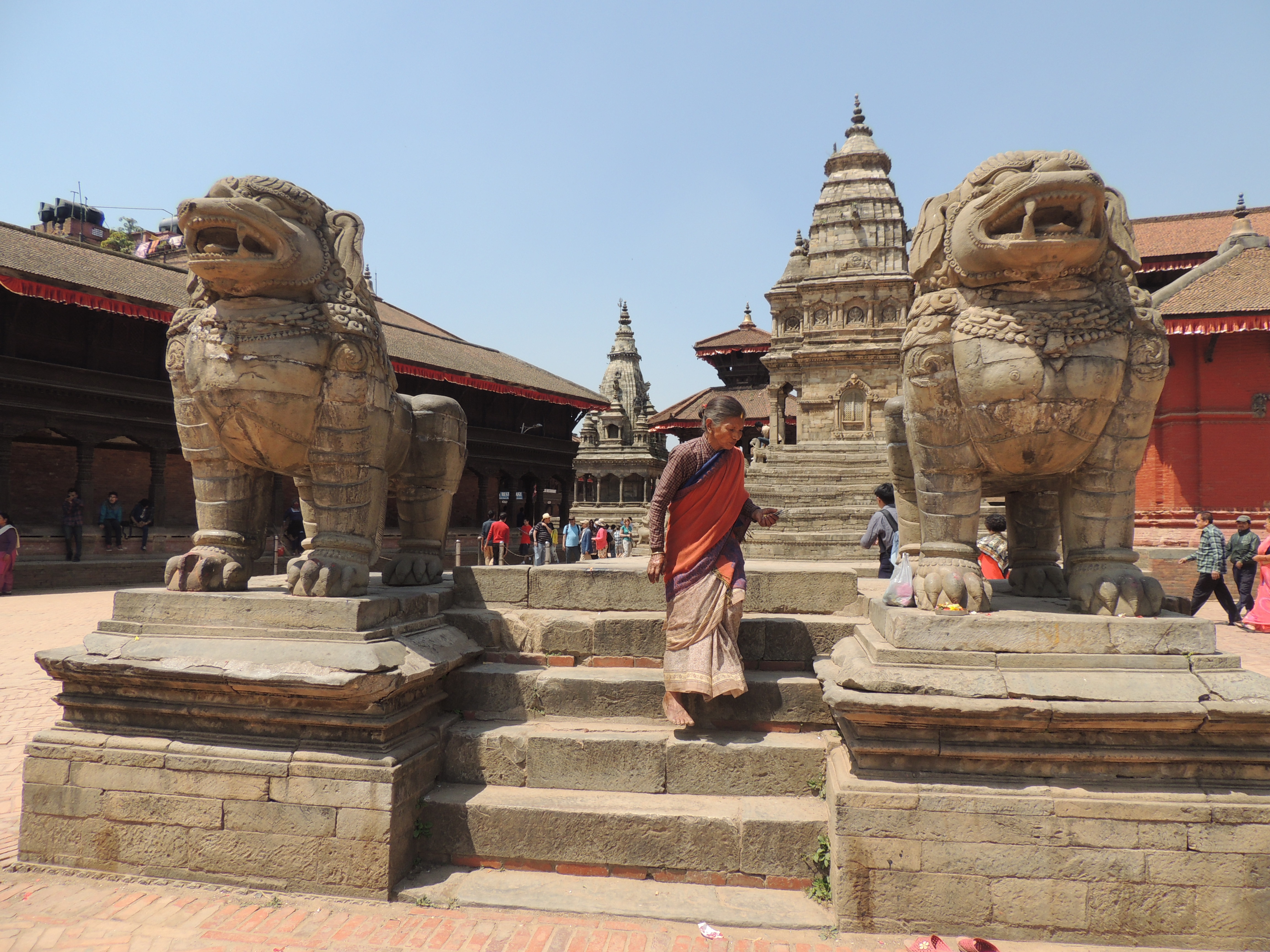
Bhaktapur (Photo by Rob Martin)
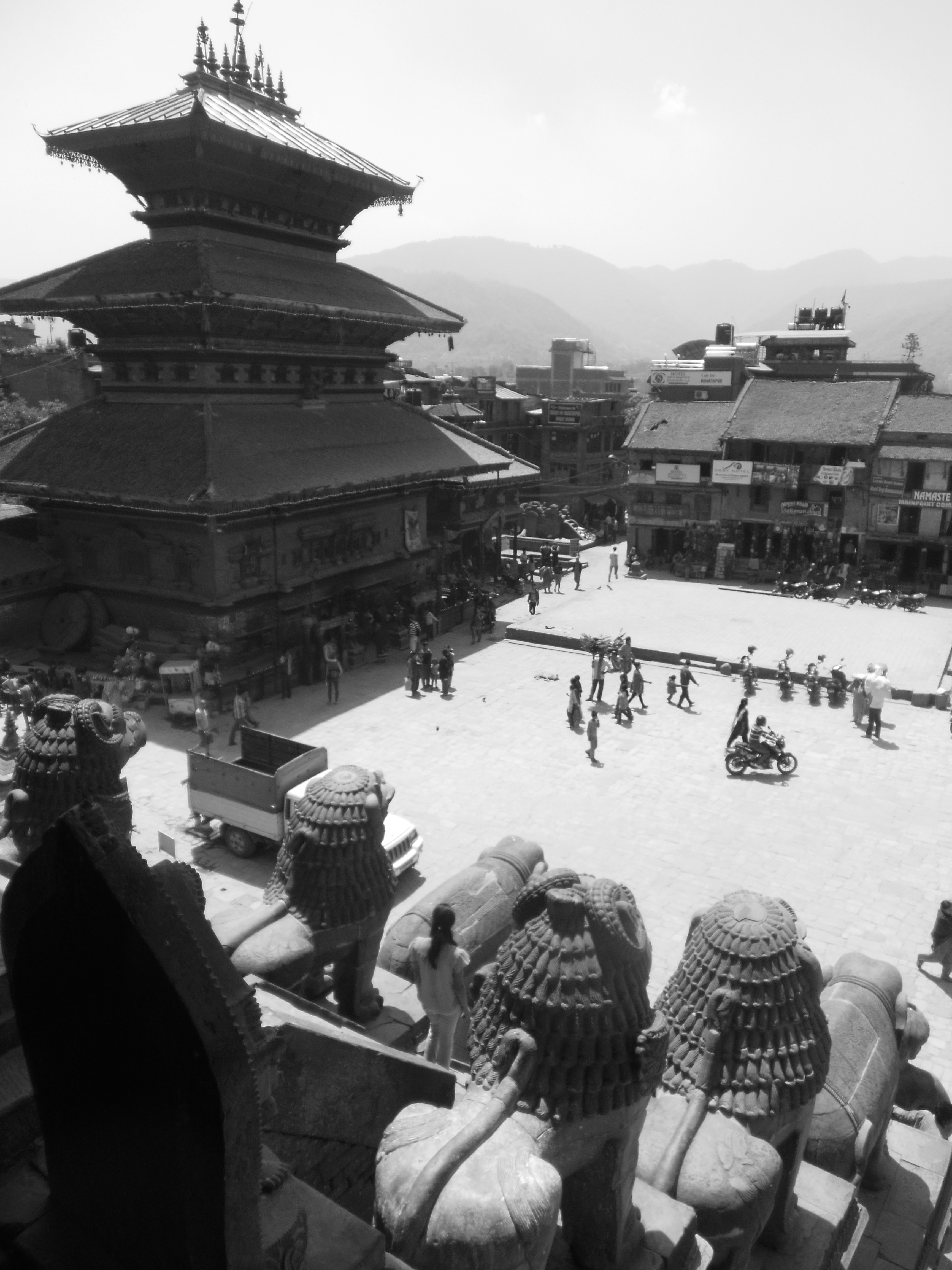
Bhatktapur Square (Photo by Rob Martin)
Blood on Snow (Out of Eden)
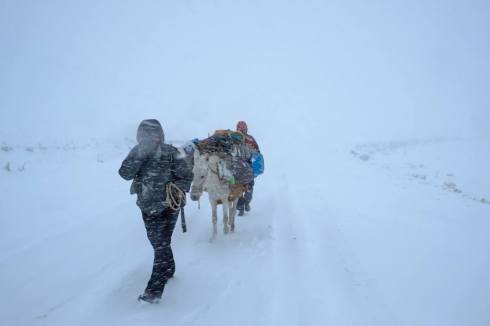
13 FebPaul Salopek’s most recent dispatch (blog post) appeared yesterday, Blood on Snow. I thought this post was a particularly good example of nice storytelling. Many of you have asked about the dangers that he and his group have faced on this journey. Read this dispatch and find out what happened to Paul.
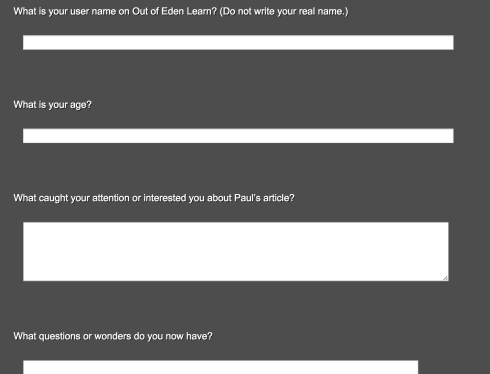
Also, make sure you add your Electronic Oasis reflection to the Out of Eden Learn site (see the screenshot below) and copy and paste your answers to the Electronic Oasis post – due Sunday at 9:00pm – on the Linking to Thinking site. Footstep 1 is finished. Good job!
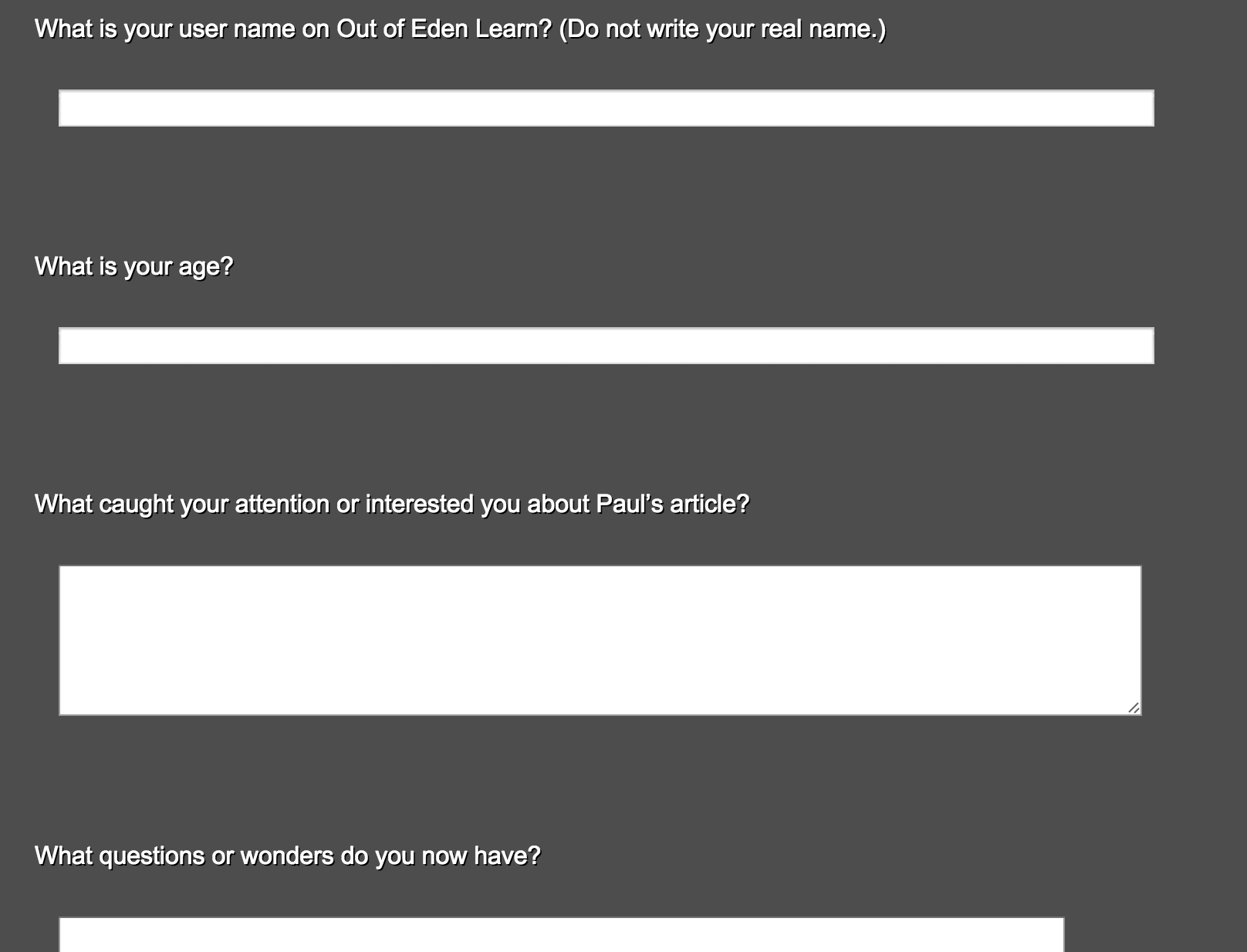
Remember to post your Electronic Oasis response to the Out of Eden site.
Electronic Oasis
8 Feb“Water is gold in the Afar Triangle of Ethiopia. No surprise. It’s in one of the hottest deserts in the world. Walking for three days recently near the western scarp of the Rift Valley, guide Ahmed Alema Hessan and I found one smear of muddy rainwater to ease our camels’ thirst. But we stumbled across a new type of waterhole a day later—a coveted oasis of electrons, the village of Dalifagi.” – Out of Eden Walk, January 28, 2013 Dispatch
The ‘Sole Brothers’ dispatch was a practice reflection and introduction to Paul’s journey. Your final assignment for Footstep #1 is to respond to Paul’s dispatch entitled ‘Electronic Oasis’. Follow the directions on the Out of Eden (OOE) Learn site and remember to write your reflection to these questions below before adding them to the OOE site. Time will be given in class to work on this activity this week. Copy and paste your reflection in the comment section by Sunday. All comments will moderated and approved Sunday night at 9:00pm, Feb. 15th.
What caught your attention or interested you about Paul’s article? What questions or wonders do you now have?
Here is a short video this gives you a picture of what Ethiopia looks like:
Whodunnit – King Tut’s mask is damaged
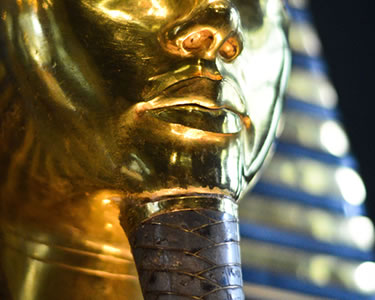
30 JanTut. Tut. It has been revealed that workers at Cairo’s Egyptian Museum accidentally knocked the braided beard off the burial mask of King Tutankhamen, and the hasty glue job to repair the famous relic may have caused even more damage. Museum officials, however, are confident the mask can be properly repaired. Here is another story from National Public Radio (NPR).
A January 23, 2015, photo shows the botched repair to the mask. (Credit: MOHAMED EL-SHAHED/AFP/Getty Images)
Out of Eden Learn – Introduction
23 JanThis semester we will bring you an exciting new learning opportunity with the Out of Eden Learn Project. You have been introduce to Paul Salopek’s journey in class and via his blog which is linked as an RSS feed on our blog. We will now take things a step further and join a ‘walking party’ with other students around the world. Here is a brief description of the project from the Out of Eden Learn website:
Out of Eden Learn is a unique online learning community designed to accompany Paul Salopek’s Out of Eden Walk. Through Out of Eden Learn, students from around the world can engage in Paul’s journey and all that it represents. They explore their own neighborhoods, investigate contemporary global issues, and reflect on how they as individuals fit into a broader geographical and historical context. In addition, they share their perspectives and interact with one another on an exciting digital platform that uses social media as a springboard for deep, meaningful learning. The goal is to ignite students’ interest in the wider world and support them to become more informed, thoughtful, and engaged “global citizens.” Out of Eden Learn is an initiative of Project Zero, a research center at the Harvard Graduate School of Education, in collaboration with Paul Salopek.
This week we will finish creating a username (not your name) and finding an avatar that you will use for this project. Next week we will introduce you to project, discuss how it will be organized. Project Zero will soon organize walking parties and place us in a group. We are sure you will enjoy this semester-long project.
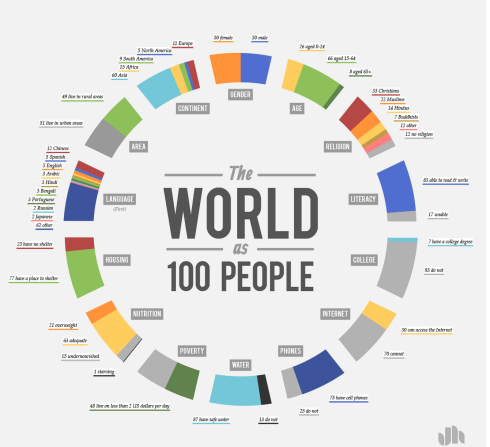
The World as 100 People
6 Jan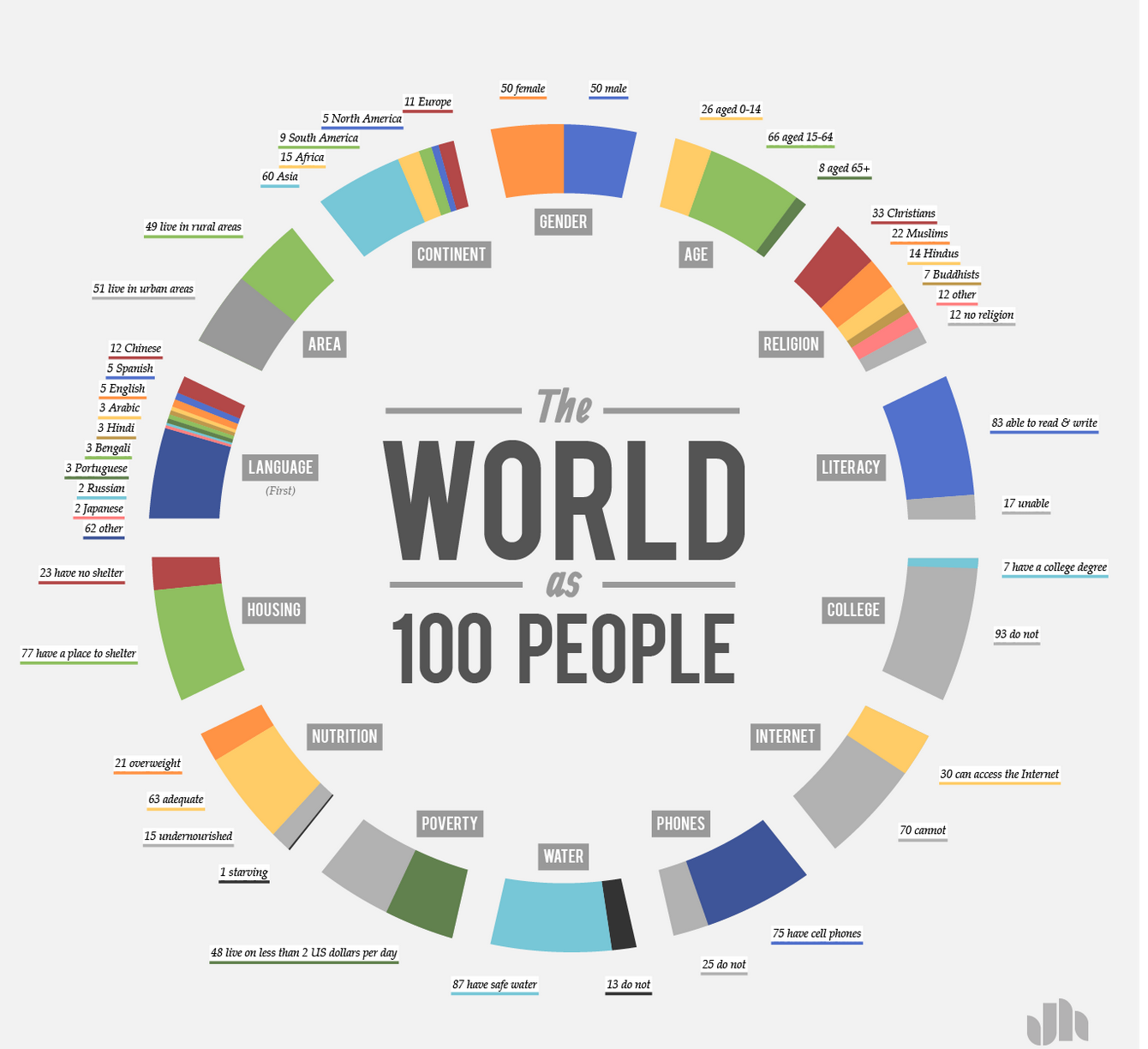
Image by Jack Hagley
Happy New Year! Here is a cool Infographic that I read about in the Washington Post newspaper. Click on the LINK to read more about the article and to see the image. If you click on the image, it will get bigger.
Out of Eden Walk: Paul Faces Obstacles
16 Dec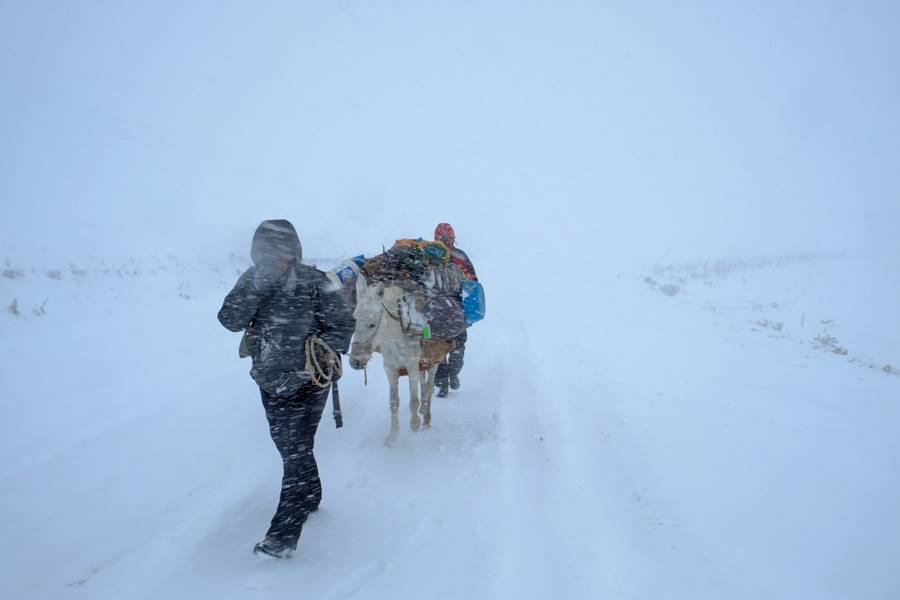
Trail to Kars, Turkey. Photo by Murat Yazar (Facebook Page – Out of Eden Walk, Dec. 9, 2014)
“As opposed to the first year, which was high adventure and culture and deep history, the turmoil in the Middle East did knock me sideways,” he said.
This week, National Public Radio’s Morning Edition‘s Steve Inskeep caught up with Salopek in Tbilisi, Georgia, where he plans to hunker down for the winter. Listen to his five minute story and see the related article on this link.
Click the link below to learn more about Paul’s journey and to find out his plans for the winter. We will join Project Zero’s (Harvard University) Out of Eden Learn Project after the winter break.
NPR Story and Interview
Mesopotamia Test
9 Dec Your unit test for chapters 3 (lesson 1, 2, 3) and 4 (lessons 1) will be on:
Monday (Dec. 15th) Block H (Hall), G (Martin) or Tuesday (Dec. 16th) Block B (Hall), D (Martin)
The study guide is on our Moodle page. Please review this document carefully! How can you prepare for the test
-
Review the above-mentioned chapters and lessons in your textbook – re-read them! Pay attention to the lesson objectives, main ideas, and the lesson summary.
-
Review vocabulary and notes on our Moodle page and in your notebook.
-
Use the blog (links and videos), especially the Classzone Review site to practice and review.
-
Find a study-buddy, someone who will help you, not distract you!
Here is a playlist featuring videos about Mesopotamia. You might find some of these videos or documentaries helpful when reviewing what you have learned.
Out of Eden: Mother Rivers
30 NovPaul Salopek’s Out of Eden blog features a new dispatch. Paul is still in Turkey and moving east. You can read his new dispatch (blog post) entitled Mother Rivers. It features information on the effects of dam building on the Tigris and Euphrates Rivers:
In Turkey, hundreds of dams big and small stopper the headwaters of the Tigris and Euphrates, the two most fabled rivers in history, the streams that moisten the Fertile Crescent. The government insists that these tons of poured concrete are essential for agricultural self-sufficiency, for irrigation, and through hydropower to help reduce the country’s dependency on foreign energy. Environmentalists and archaeologists disagree. The rivers are throttled, they say. And if the Tigris and Euphrates can be deemed the mothers of modern urban life—the nurturers of history’s first cities—then the frenzy of construction, they say, represents a form of parental abuse.
Read this National Geographic article about the dams. Paul also introduces us to his two guides.
Geography Awareness Week!
22 Nov
Image source: National Geographic Education
What is geography?
Geography is the study of places and the relationships between people and their environments. Geographers explore both the physical properties of Earth’s surface and the human societies spread across it. They also examine how human culture interacts with the natural environment and the way locations and places can have an impact on people. Geography seeks to understand where things are found, why they are there, and how they develop and change over time.
Free Technology for Teachers sent me a list of fun online games for students to play. Check of the some of the links below:
Spacehopper is a game based on Google Maps Street View imagery. Spacehopper shows you a Street View image and you have to guess where in the world the image was captured. You can click the clue button to have the country identified before making a guess. After three incorrect guesses the correct answer will be revealed to you. You can play Spacehopper on a global level or you can specify that you only want to see images from a particular continent.
Smarty Pins is a Google Maps game develop by Google. Smarty Pins presents players with a trivia question that they have to answer by placing a pin on a map. Players earn “miles” for correctly placing a pin on the map. Players can lose miles for answering incorrectly and or taking too long to answer. Games are available in five categories; arts & culture, science & geography, sports & games, entertainment, and history & current events.
Where is…? is another good game geography game. This game uses a popular format for geography games; the name of a city is presented to the players and they have to click the map to guess where the city is located. Players are given immediate feedback on their accuracy in the form of a measurement, in kilometers, of the distance between their guesses and the correct answers.
GeoGuessr. GeoGuessr shows you a Google Street View image and a clue to try to guess where in the world the imagery was captured. Playing GeoGuessr is a fun way to get students to look at all of the visual and text clues they have in order to form a good guess as to where in the world they think the imagery came from.
Capital Toss is a free geography game from ABCya. The game has a state capitals mode and a country capitals mode. In both modes of the game works the same way. The name of a state or country appears at the bottom of the screen and three rows of capital names scroll across the top. When the correct capital name appears players virtually toss a ball at it. After ten correct answers players can choose a new ball. Three consecutive incorrect answers ends the game.
Math Trail provides a nice blend of geography questions and math questions appropriate for 5th to 7th grade students. Math Trail from HeyMath! is a series of map based math trivia challenges. Math Trail offers six thematic games. Each game follows a trail of locations that students have to find by using the clues provided. If they get stumped they can click “show location” but they lose the point value for the question. When they arrive at the correction location students have to answer the multiple choice math question presented to them before moving on to the next question in the trail.
Finally, we will add a Countries of the World Quiz (timed!) that our student really enjoyed playing last year. Give it a try!
Enjoy your weekend!
Pilgrim Roads: Out of Eden Journey
19 Nov“For almost two years, the Out of Eden Walk project, which traces the global spread of early humans, has taken Paul Salopek from Africa’s Great Rift Valley to the Middle East, birthplace of cities and agriculture. On this stretch of his journey, Salopek left the “oceanic vistas of Arabia” to trek the ancient corridor of the Jordan River Valley to Jerusalem and the West Bank, a route long the focus of conquest and conversion.” – Ryan Morris, NGM Staff
Paul Salopek is still walking in Turkey. A few updates on his journey: He has just written an article for National Geographic that will appear in the next issue. This article is about his walk through the Middle East. You can see it HERE. Also, this is a map of his journey there. Finally, here is a brief video (less than two minutes long) about his experience there.
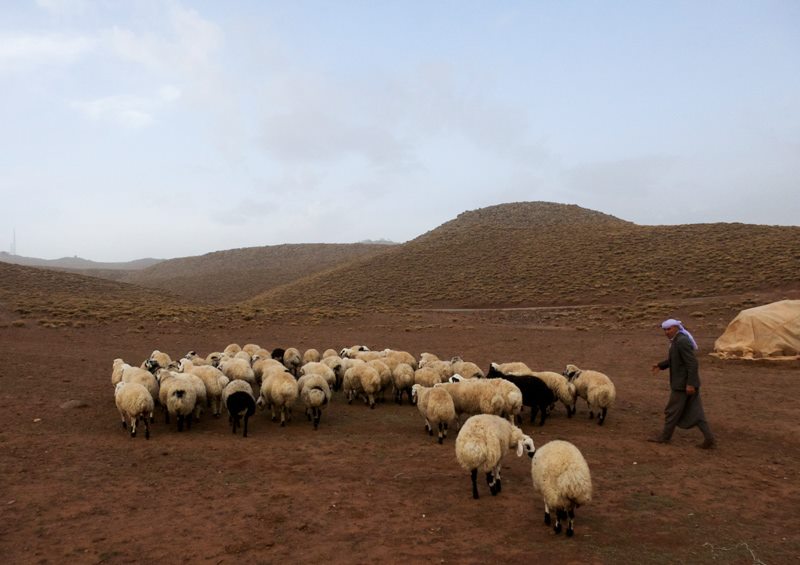
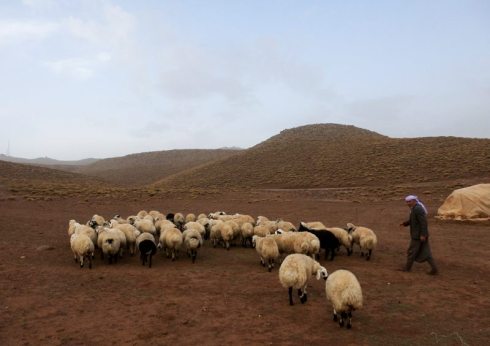
“Pastures of stone. The Kurdish nomad heartland, near Mt. Karacadag, Turkey.” Image source: Out of Eden Walk – Facebook Page
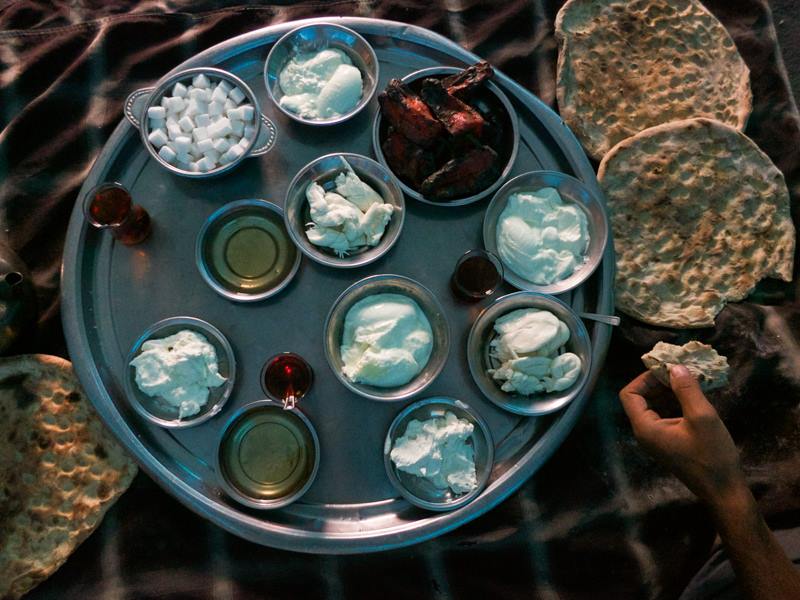
“A palate of whites. A nomad breakfast—yoghurt, goat cheese, roasted peppers, honey. Mt. Karacadag, Turkey.” (Image source: Facebook Out of Eden Walk page)
Out of Eden in Ancient Mesopotamia & Club Update
7 Nov
Thirsty mule eyes Euphrates River. Photo by Murat Yazar, as it appears on the Out of Eden Walk Facebook Page
This photo appeared on the Out of Eden Facebook page today. We are currently studying ancient Mesopotamia and Paul is walking near the Euphrates River. Here is a recent blog dispatch from him entitled, Loose Thread on the Silk Road. Here is a link to the Out of Eden Map Room where you can see his current location. Turkey is a large country and it will take time to get to the eastern border.
In regard to the Out of Eden Club, there does not seem to be enough interest right now. We realize a lot of students are involved in clubs and sports. We’re all busy! Our SS/LA team is going to look at some options where we can all participate and do the activities created by Project Zero and the Out of Eden Learn program. Stay tuned for more information!
Out of Eden Walk: Mesopotamian Moon God
30 Oct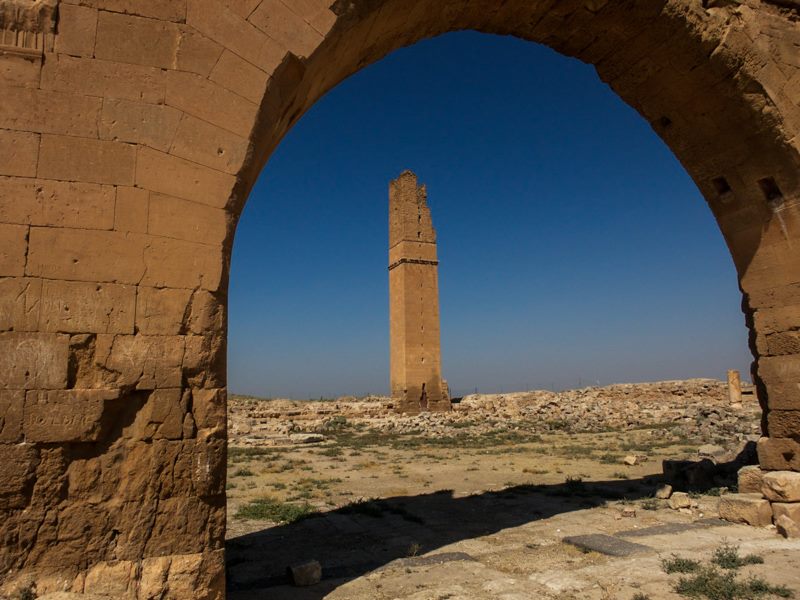
Photo by Paul on Salopek – posted on his Our of Eden Walk Facebook page, 10/30/14
We are now studying ancient Mesopotamia. Paul Salopek just added this photo to his Facebook page today. Home of the Mesopotamian moon god Sin. Center of medieval Islamic learning. Erased by Mongols. Harran, Turkey. Paul is here (click on the map to enlarge):

Out of Eden: Paul Answers More Questions
27 Oct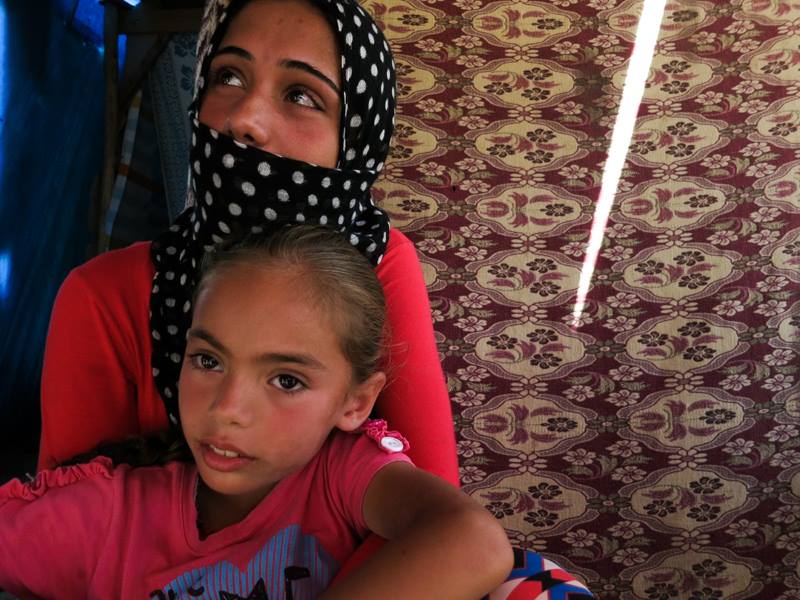
Untouchables among refugees: destitute Turkmen nomads from Syria. Kilis, Turkey. (Photo by Paul Salopek)
During the vacation, Paul Salopek wrote me directly for the first time and answered some more questions from our students. Please see his response below and read his two latest dispatches on his blog, Out of Eden.
First: Yes, I would be interested in visiting your school because I have been making educational presentations starting from the trail head in Ethiopia. I can’t guarantee when I’ll be near your area (as you note, the closest I will come is northern India) because the route ahead is so unpredictable. So let’s just keep in touch about this–it could be early to mid-2015.
Again, your interest in the walk is keenly appreciated. I’m glad to have your school walking along.
Warm regards, P.
===
1) What is a typical day like for a child or teenager like in the refugee camp in Kilis (from Sriya, Bahraini)?
The children in some ways have it easier than adults, because at least they can attend a camp-run school. After classes, they help with small chores in their homes, which are shipping containers–those long metal cubes that fit on the back of lorries–refitted to serve as shelters. There are several playgrounds in the camp, too. But what the children don’t have a normal town or village setting to grow up in. Their future is uncertain. For example, once they graduate from primary school, there is no guarantee that they can continue to study in secondary school, because all such schools are taught in Turkish–the language of the host country. For the parents, life is even worse: Without work, without a way to earn an income, they are trapped in the camp with no future at all.
2) What percentage (approximately) of the children are separated from their parents or family (from Lucie, France)?
Good question. I don’t have an answer. All the children I met were with their families. Children who lost their parents in the war have two options: be taken in by relatives, or go to government-run orphanages. Many of the children with families are missing fathers–many of the refugee men have stayed behind in Syria to guard family property or fight in the war.
3) What initially inspired you to take this journey (from Sunny, S. Korea and Alice, France)?
Storytelling. I had been working as a journalist for many years, and decided that this project would be a good way to tie together all that I have learned, and to string together an important series of questions–where we came from, who we are, where we are going–into a single long journey story. We all love travel stories. This is a very old way of communicating knowledge. It goes back to the very beginning of humankind.
Thanks for your great questions.
Paul.
2014 Nobel Prize Winners
10 Oct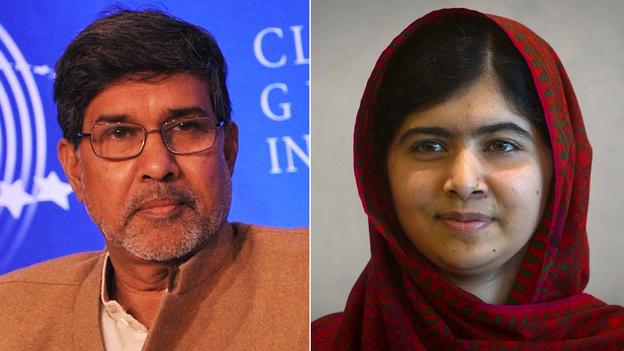
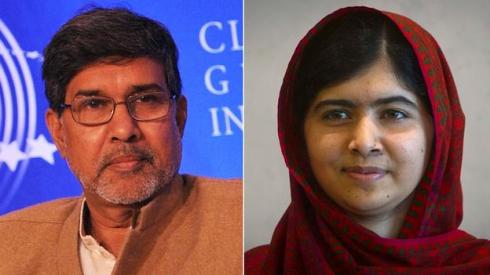
Source: Getty Images (BBC)
The 2014 Nobel Peace Prize went to advocates for children’s rights with Pakistan’s Malala Yousafzai and Kailash Satyarthi of India sharing the award on Friday.
Yousafzai, a schoolgirl in Pakistan’s Swat Valley, became a worldwide symbol against abuses by the Taliban after she was shot in the head in 2012 by militants who stormed the bus she was riding with other students. Yousafzai, now 17, later become an advocate for girls’ education and has appeared in some of the most high-profile forums, including an address at the United Nations last year.
Satyarthi, 60, has fought against child labor more nearly two decades and is credited with helping free tens of thousands of children from harsh work conditions and other forms of forced labor, including in the carpet industry and traveling circuses popular in India.
Read this really nice interview with Malala, who talks about her favorite books.

Find this book in our school and class library.
A Journey of Learning
8 OctPaul Salopek shares a video message to students around the world from Turkey where he currently is on his Out of Eden Walk. His latest blog post is entitled ‘This is not a life.” It is about his time in a refugee camp in Turkey on the border of Syria. Check it out!
Word Hippo
1 Oct
Image Source: Word Hippo
Vikram shared a really cool website with me and some of this table partners today in Language Arts. Word Hippo is a website that you can use to find word meanings, rhyming words, word forms (past tense, future, tense, and much more!), example sentences, and translations. It looks like a great website that would be helpful to all students. We are always looking for great sites to add to our Moodle pages and our class blog. If you find helpful websites for Language Arts or Social Studies, please send the links to Mrs. Hall, Ms. Jaya, or me. Thanks, Vikram!
Thanks! Mr. Martin
Out of Eden: Pulitzer Prize-Winning Author Answers Us!
26 Sep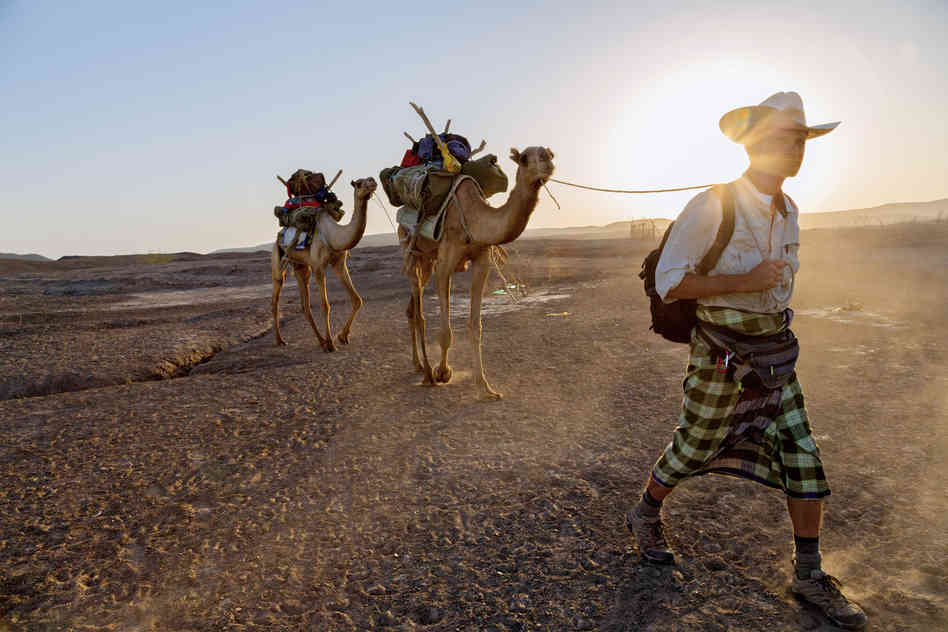
Image source: npr.org
Great news! Paul Salopek responded to our questions we sent to him. Currently, Mr. Salopek is in Turkey observing and writing about the refugee crisis on the border of Syria. Last week, we brainstormed a list of questions we would ask him if we had an opportunity. Mr. Martin sent four questions from Tsukiho, Hanung, Yuki I., and Kennedy. He answered those questions on his blog. We have cut and pasted his response below:
From Paul:
Thanks so much, Rob. To answer the questions:
1. What do you think your entire budget will be for this journey (Yuki, Japanese)?
Paul: It’s evolving, Yuki. I started on a shoestring. Thanks to great partners such as National Geographic and the Knight Foundation, the Abundance Foundation, the Pulitzer Center on Crisis Reporting, and Project Zero, I’ve now got the shoes to go with it. Daily expenses have ranged from about $2 USD to $500 USD, depending on whether I was traveling with camels and a full team of desert guides in Saudi Arabia or walking alone across Cyprus and living on iced coffee.
2. What has been the best moment of your journey, so far (Kennedy, American)?
Paul: An impossible question, Kennedy—like asking which is the best moment of your life so far? All journeys, short and small, are made up of highs and lows that we sometimes only recognize years later. Mohammed Banounah’s jokes. Seeing the Gulf of Aden from the rocky hills of Djibouti. Or the hundreds of “ordinary” days when walking seems effortless—steeped in meaning and beautiful. Take your pick.
3. How many articles of clothing do you carry with you (Tsukiho, Japan)?
Paul: I’m still wearing the same t-shirt I started with in Ethiopia. My original pants were beyond repair, though. I have replaced them twice.
Mr. Martin’s note: see this article from NPR – What do you pack for a seven year journey?
4. What will you do when you finish this journey—write a book (Hanung, Korean)?
Paul: A couple of books are coming. I’ll pause halfway (2016) to write the first.
Read more about his seven-year journey in our other blog post or on this National Public Radio article (hear him talk in this interview!). Please add other questions in the comment section here. We will continue to ask him questions throughout the year. You can also follow his blog posts and journey using the RSS feed listed on our blog (scroll down and look on the right side of the blog).
Have a great weekend and add some more questions. First, look at his website and the links and learn more about his journey before thinking of questions.
History is Cool!
10 Sep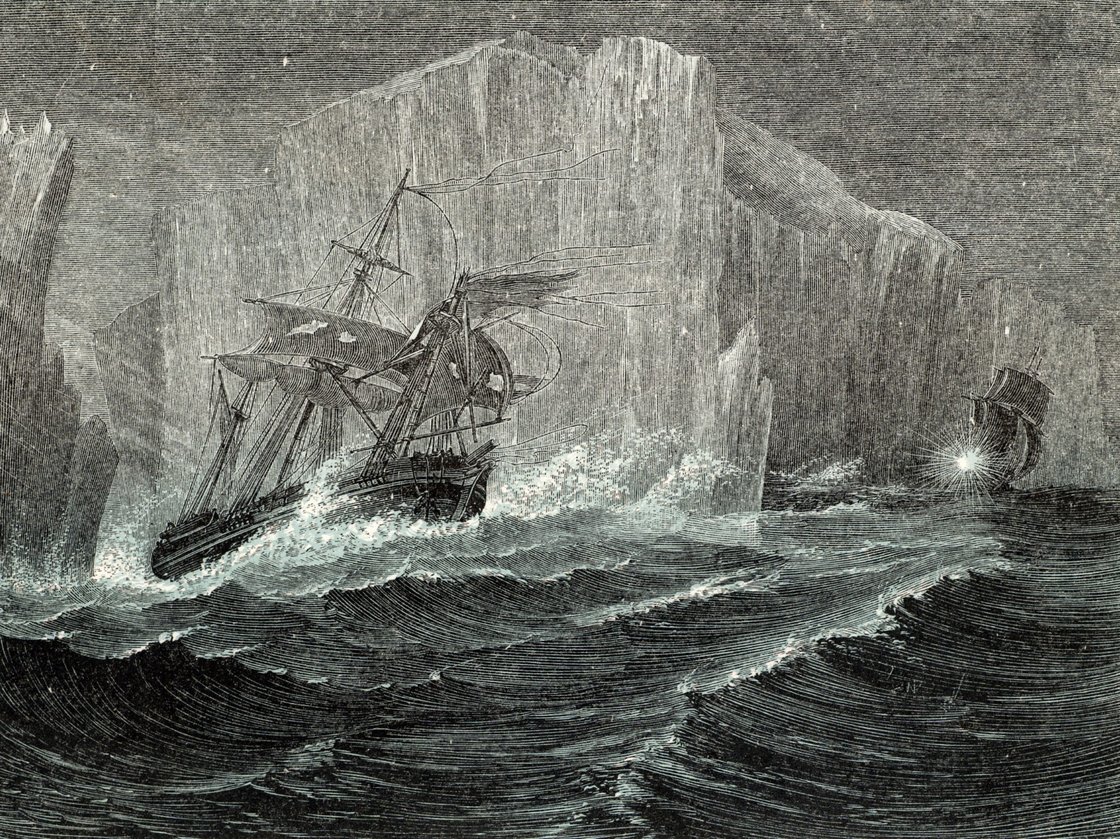
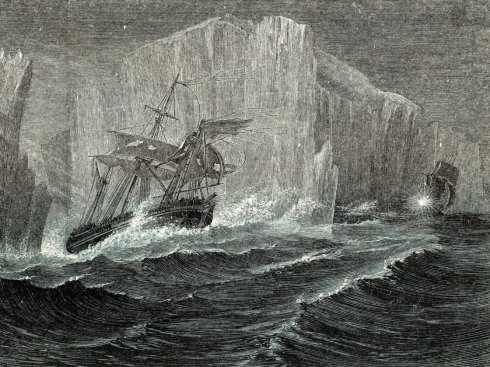
Source: G. Hartwig/Universal History Archive/Getty Images
Here is a really cool article I saw on National Public Radio (NPR) about a ship that was lost more than 160 years ago. It was recently discovered by Canadian archaeologists. Click on the link to read the story.
 Out of Eden Walk

- An error has occurred; the feed is probably down. Try again later.
Visitors since 9/27/13

This work is licensed under a Creative Commons Attribution-NonCommercial-ShareAlike 4.0 International License.
 Linking to Thinking
Recent Comments