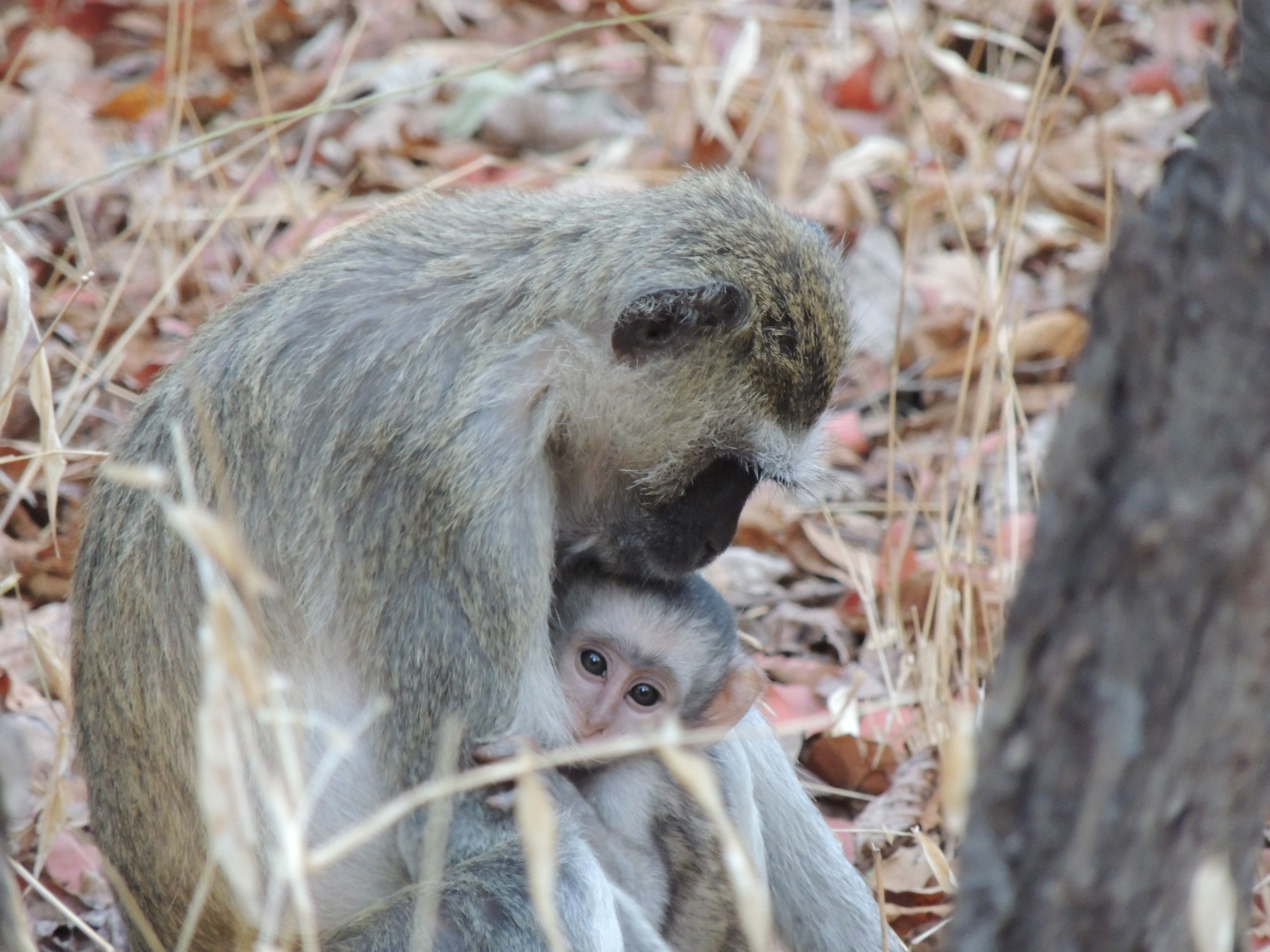
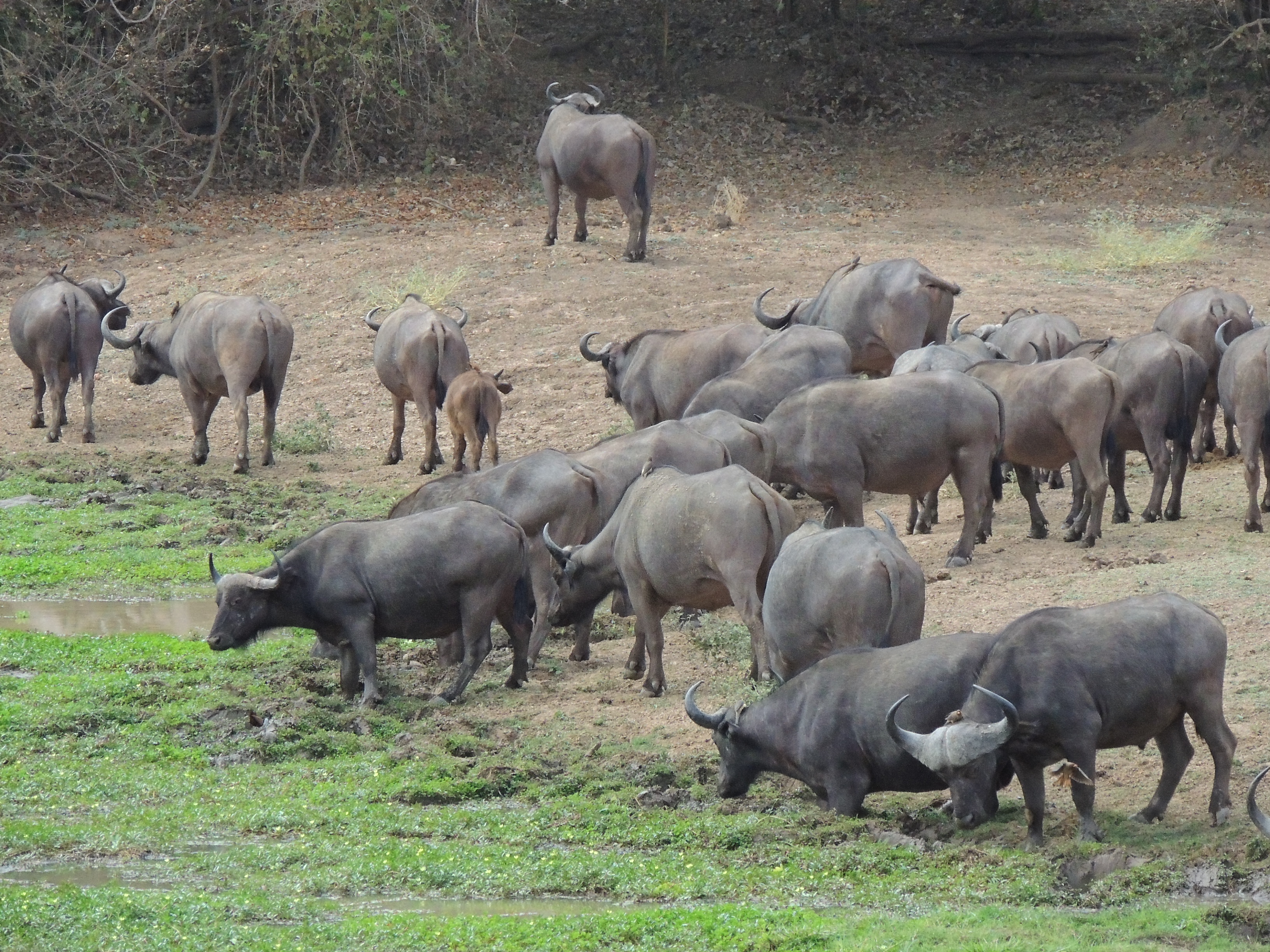
Ten more photos from our five days in South Luangwa National Park in Zambia. We enjoyed our week there and are thankful for opportunities to see more of this amazing country. We hope friends will come to visit as travel restrictions get easier. The past year and a half has given us many opportunities to do road trips, go camping, and to learn more about Zambia. While my site focuses more on teaching and learning, I also want to share photos and experiences that allows others to learn more about Zambia and other places we visit. There are a lot of perceptions of what Africa is like. First of all, it’s not a country. It’s often referred to as one place or a country in the media and by people I meet when I travel or return home (“How’s Africa?”). It’s a huge continent with 54 diverse countries and cultures.
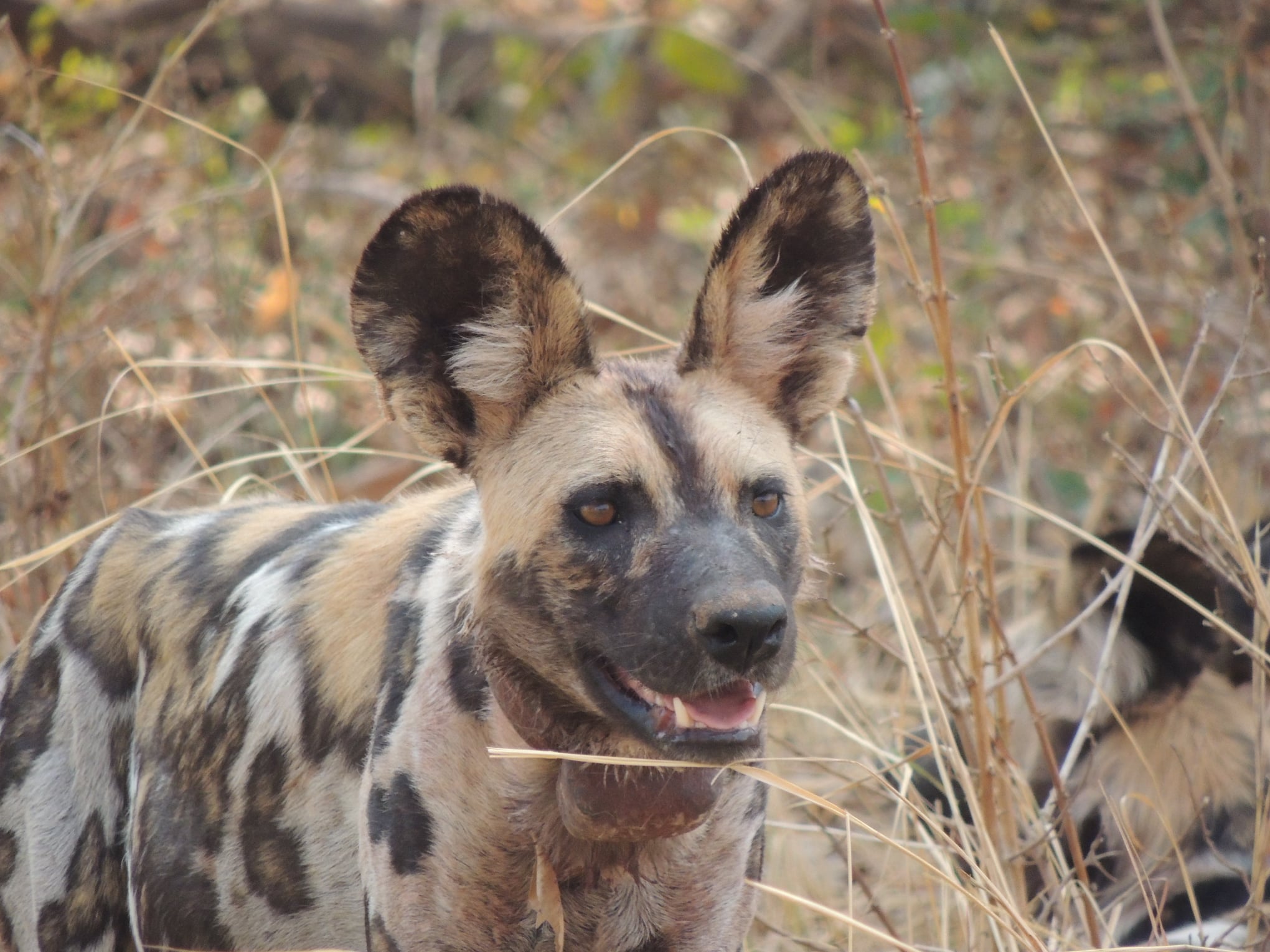
Ten photos from our October school break trip to South Luangwa National Park in Zambia. This was our second trip to South Luangwa, two years after our first trip. Our family stayed two nights at Time and Tide Nsolo Camp and three nights at Mfuwe Lodge (The Bushcamp Company). Both provided very different experiences, one very remote and rustic and off the grid and the other more comfortable and family-friendly (ex. pool, air-conditioning, etc.). We saw everything we had hoped to see, lots of lions and elephants. My goal was to finally see wild dogs, something I had not seen in my three and half years of safaris in Zambia. I was overjoyed to see packs of wild dogs (sometimes called “painted” dogs). The cherry on top of the sundae was seeing a leopard in a tree that we got to spend about 15 minutes near before it climbed down and ran into the bush. It was a wonderful way to spend our vacation, and we are very grateful for this experience and to live in such a beautiful country.
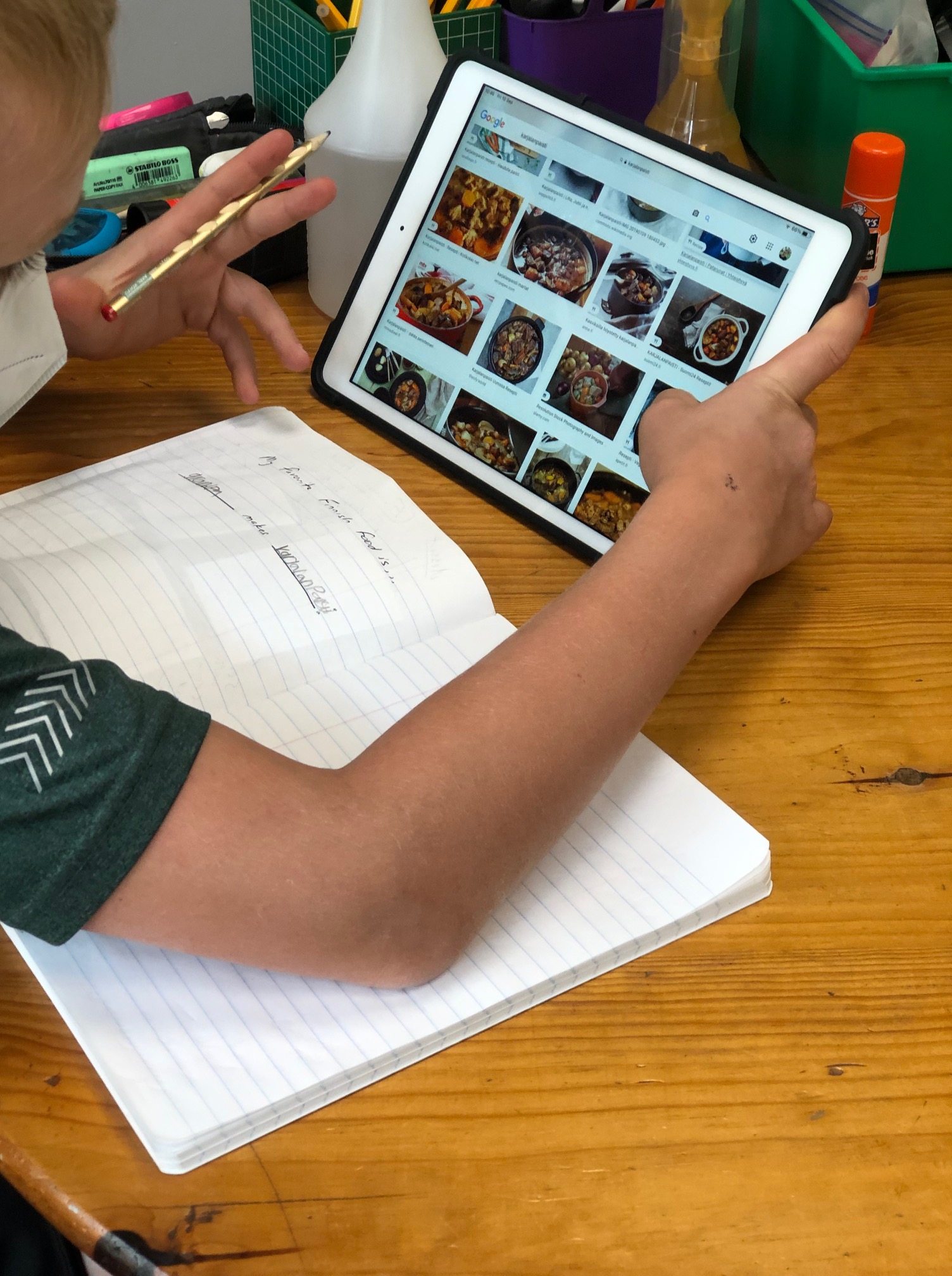
Learning about our students’ cultures is vital to understanding our school community and celebrating our diversity. In secondary EAL this week, I learned that Suomi means Finland in Finnish. I asked my new sixth grade student what Suomi means when he entered my classroom wearing the hat pictured. He was not able to tell me, but we Googled it and I learned that it means Finland. I found this BBC Travel article (LINK) about the “mysterious origins” of the name. During a dialogue journal writing activity, one of our English language learners wrote about the kinds of food he likes, while also sharing examples of Finnish cuisine.
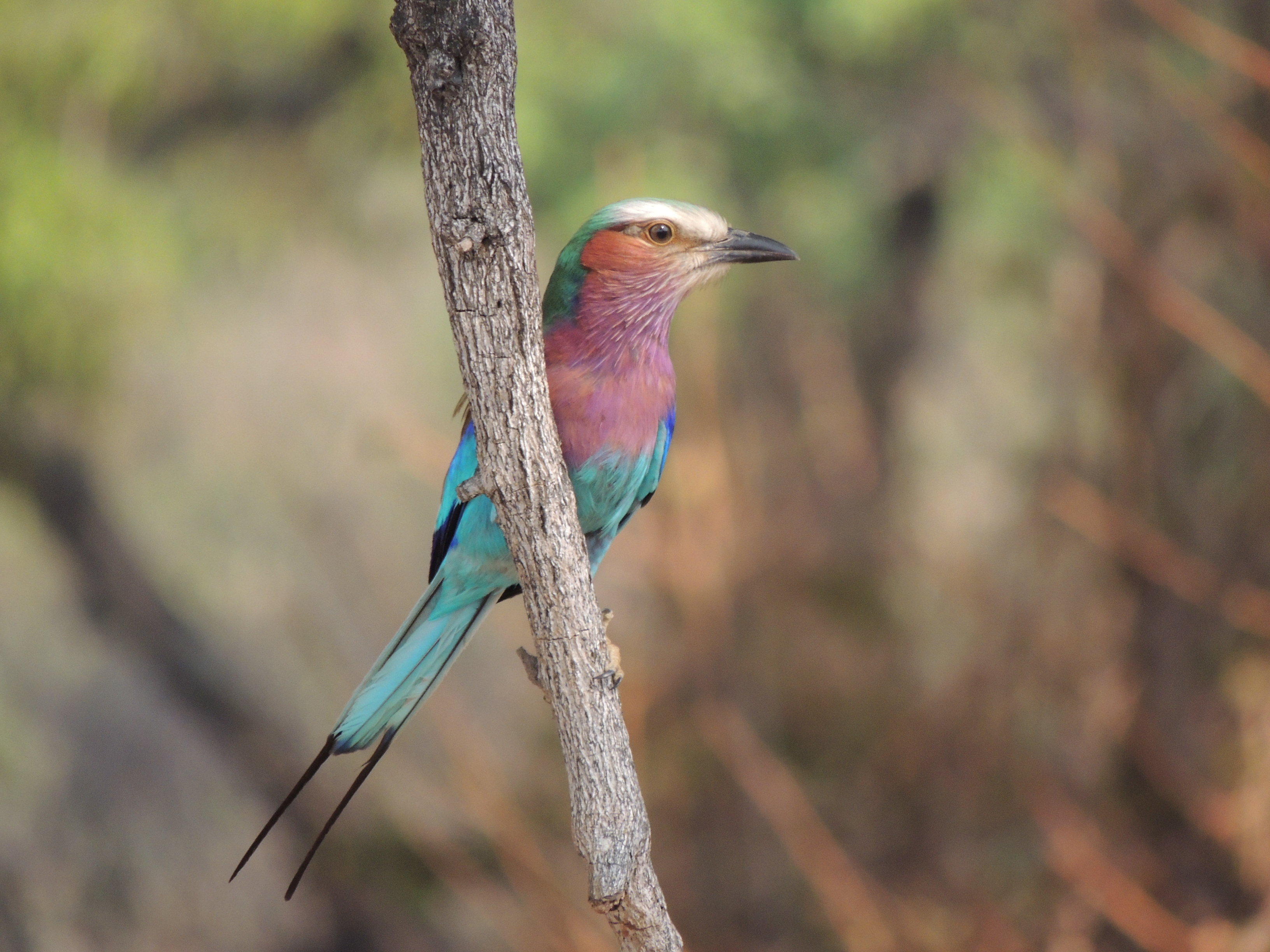
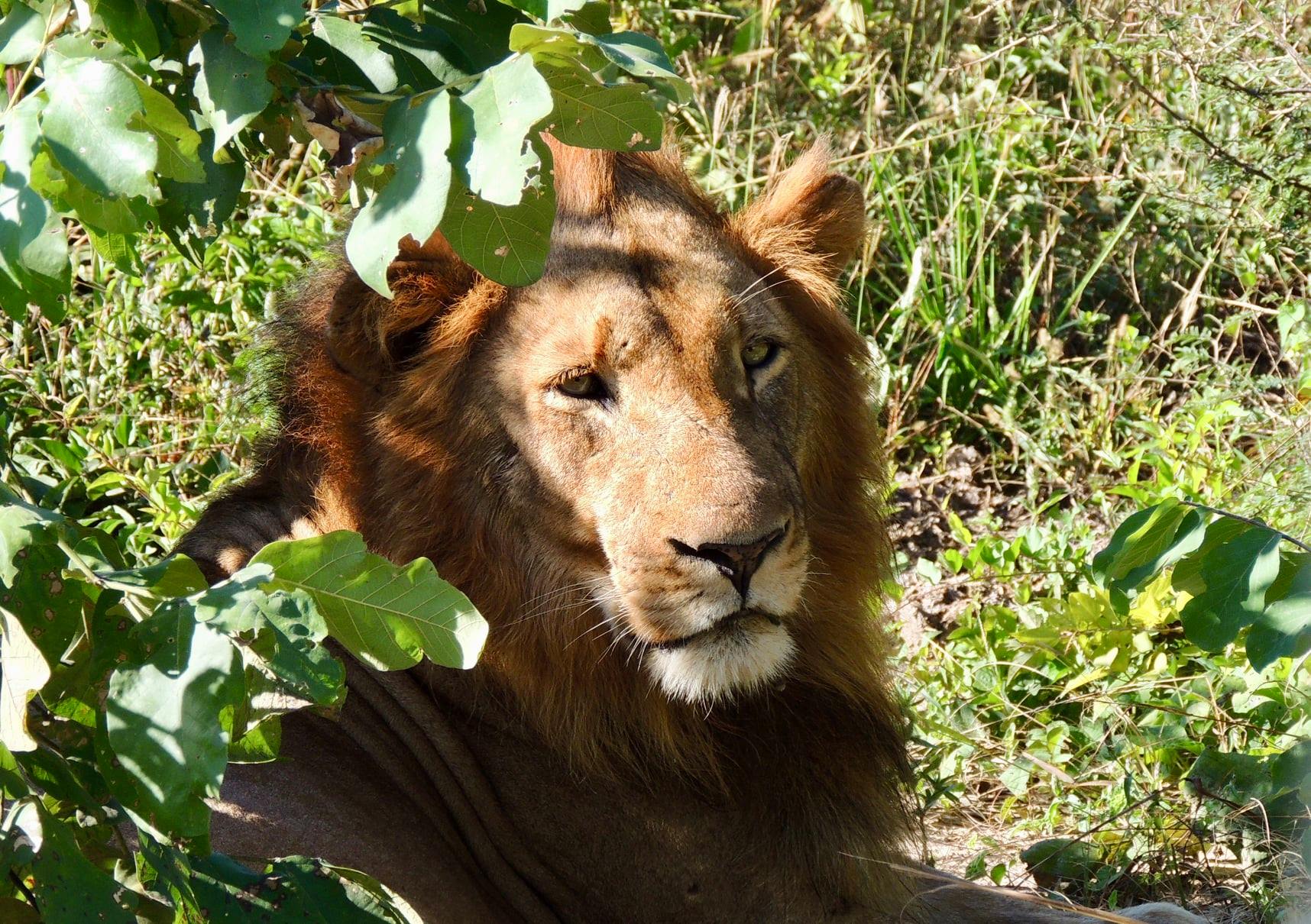
Red-breasted rollerMale lionElephant near Ila LodgeJackal on the M9 at sunriseKafue River at sunsetKaingu LodgeBaby crocoduleWalking to the rock to watch the sunset (Kaingu Lodge)Puku
Kafue National Park is in south-central Zambia. Established in 1950 and located about 200 miles (322 km) west of Lusaka, the park covers an area of 8,650 square miles (22,400 square km) and consists of a vast and gently undulating plateau, situated along the middle reaches of the Kafue River and its two tributaries, the Lufupa and the Lunga (Britannica). It is the oldest and largest park in Zambia, and one of the largest in Africa. We have visited Kafue a few times, most recently twice this year. We stayed in Ila Lodge and Kaingu Lodge, both excellent lodges.
This video was re-shared by The Atlantic with this article. I have a lot of friends teaching in China and I am closely following the news about this virus and how communication and treatment are being managed. Wishing everyone there the best as they try to control the spread of this deadly virus. Here are some articles that I have enjoyed reading (I will add more as I see them):
The Deceptively Simple Number Sparking Coronavirus Fears – The Atlantic – LINK
China’s latest virus outbreak exposes perils of exotic wildlife trade – Reuters – LINK
Leaving Shanghai as the Coronavirus Extended Its Reach – New York Times – LINK
A new eco-friendly industry is taking root in Assam. With India joining a global environmental movement to restrict single-use plastics, and with Indian restaurants increasingly purging their inventories of plastic straws—the villain of disposable, plastic trash that is washing, at a rate of some eight million tons a year, into the world’s rivers and oceans—the search is on for less polluting alternatives. Enter wild bamboo: The versatile grass that grows abundantly across much of the country and is both organic and sustainable. Click HERE to read Paul Salopek’s latest story, Straw Man.
I only recently saw this ad and it’s nearly two years old. I remember seeing the original ad on CNN about eight years ago when I lived in Kuwait. What a magical place, and I am grateful that my family got to spend six years there. We certainly need to return some day to explore places we did not see.
Chimamanda Ngozi Adichie is the author of books like Americanah and Half of a Yellow Sun. In this animated interview, the Nigerian-born author describes coming to America for college and being floored by how little her classmates knew about Africa. “I don’t think stereotypes are problematic because they’re false. That’s too simple,” she says. “Stereotypes are problematic because they’re incomplete.”
“Governments draw borders. Governments manage borders. But humans live inside them. From the North Pole to the northern shore of Africa to the Himalayas of Nepal, the lines we’ve used to apportion the planet play a decisive role in the past, present, and future of billions.” – Vox Borders series.
A friend and former colleagued shared a video by Johnny Harris, who is the creator for Vox Borders. I was not familiar with his work or this video series on the human impact of lines on a map. It’s terrific!!! Migration, maps, and borders are topics I am very passionate about, and I think that you will like these videos and photos. I have selected a few to show you here. I will share more on my website.
Image source: GuommyBear@23Image source: GuommyBear@23Image source: Rob MartinImage source: SourPatch9876Image source: Bumble_Bee_1420Image source: m_n_m71Image source: Swedish-IKEA12Image source: @purple_endermanImage source: A_Random_PersonImage source: NoobM@ster69Image source: SunspotLF1Image source: Rob Martin
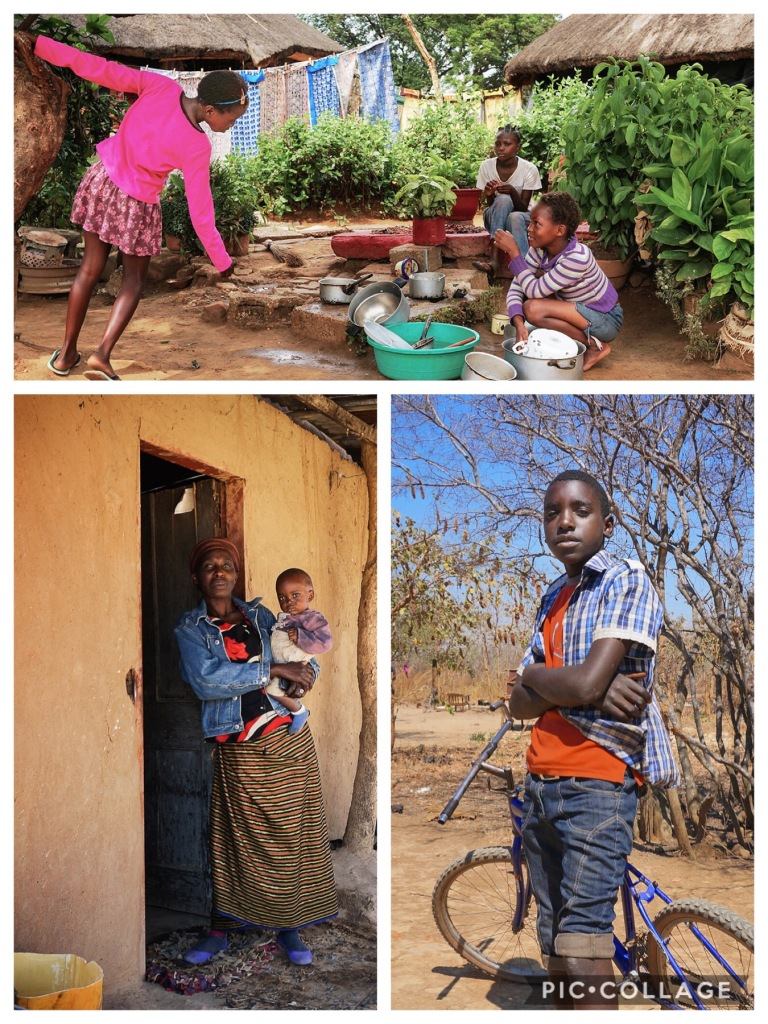
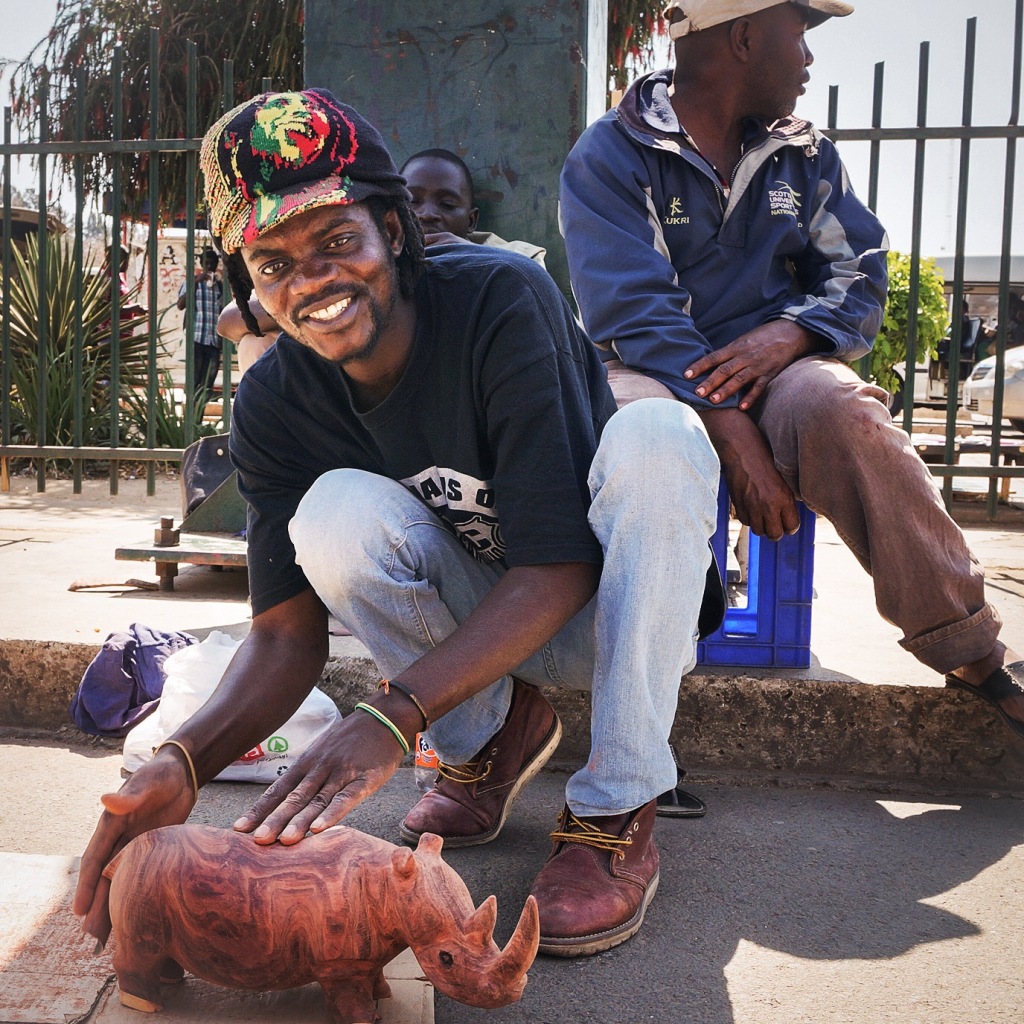
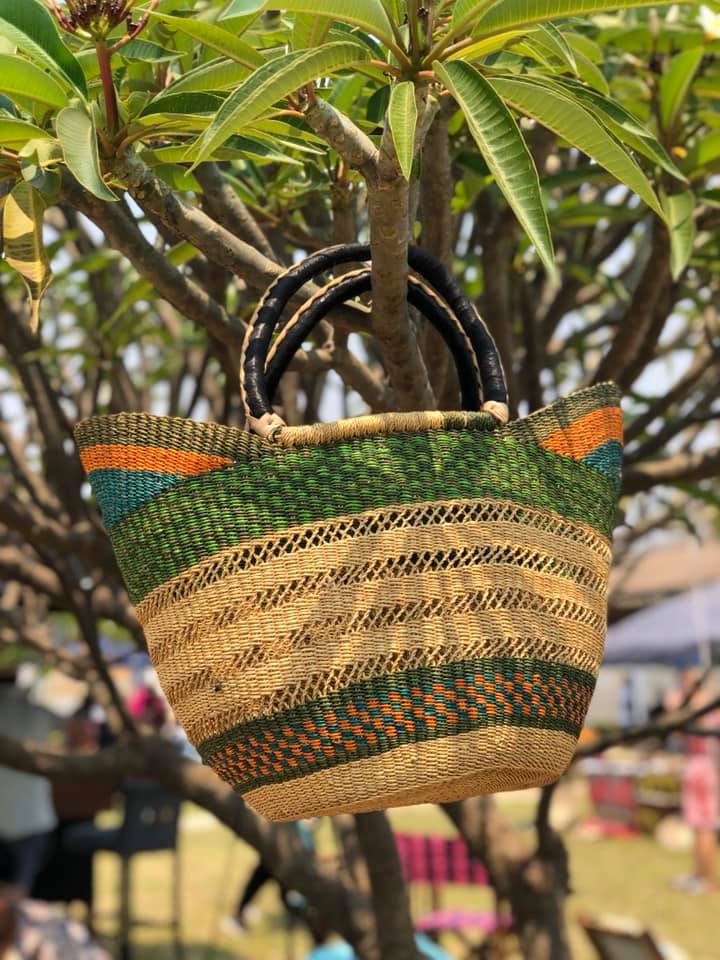
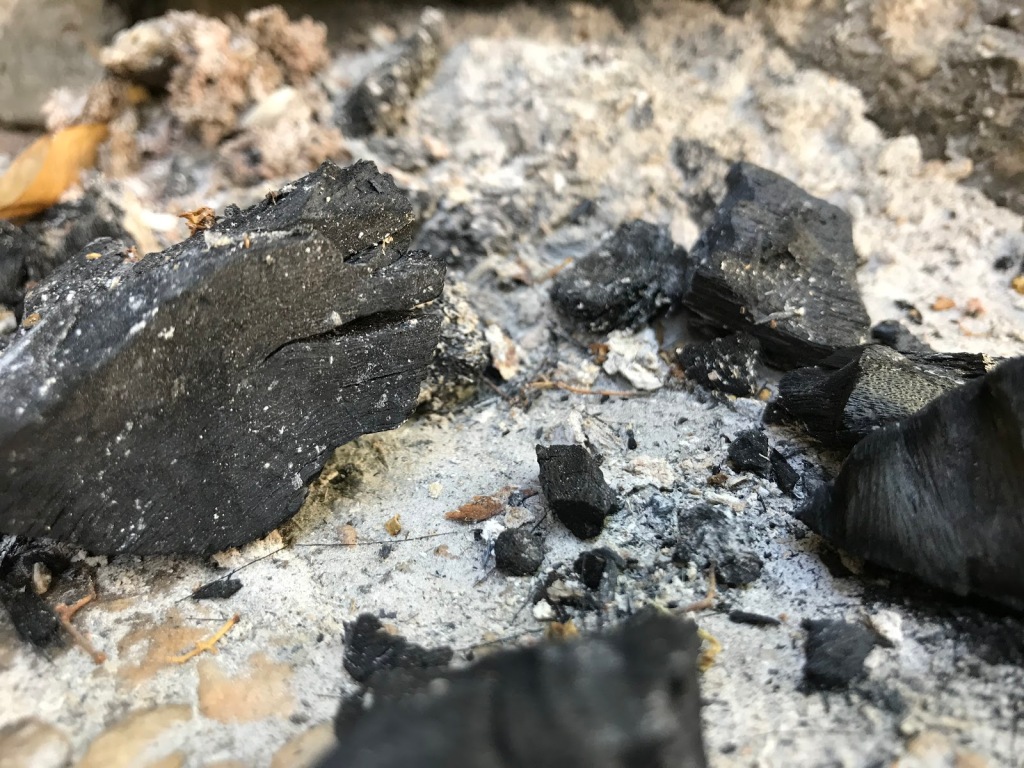
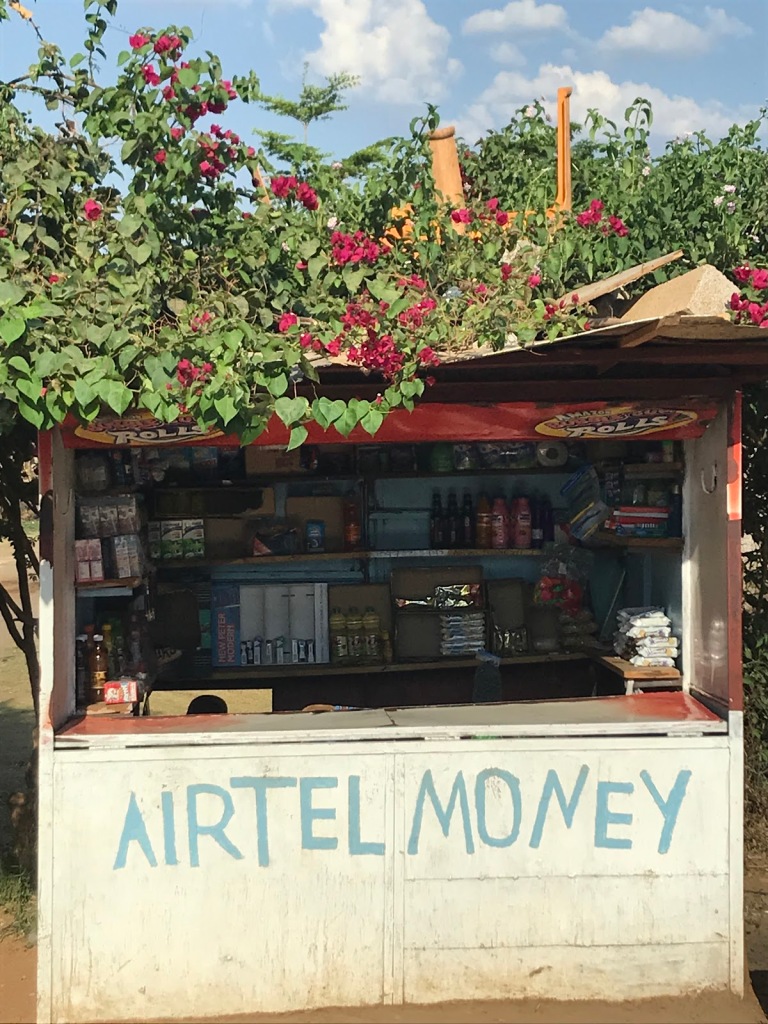
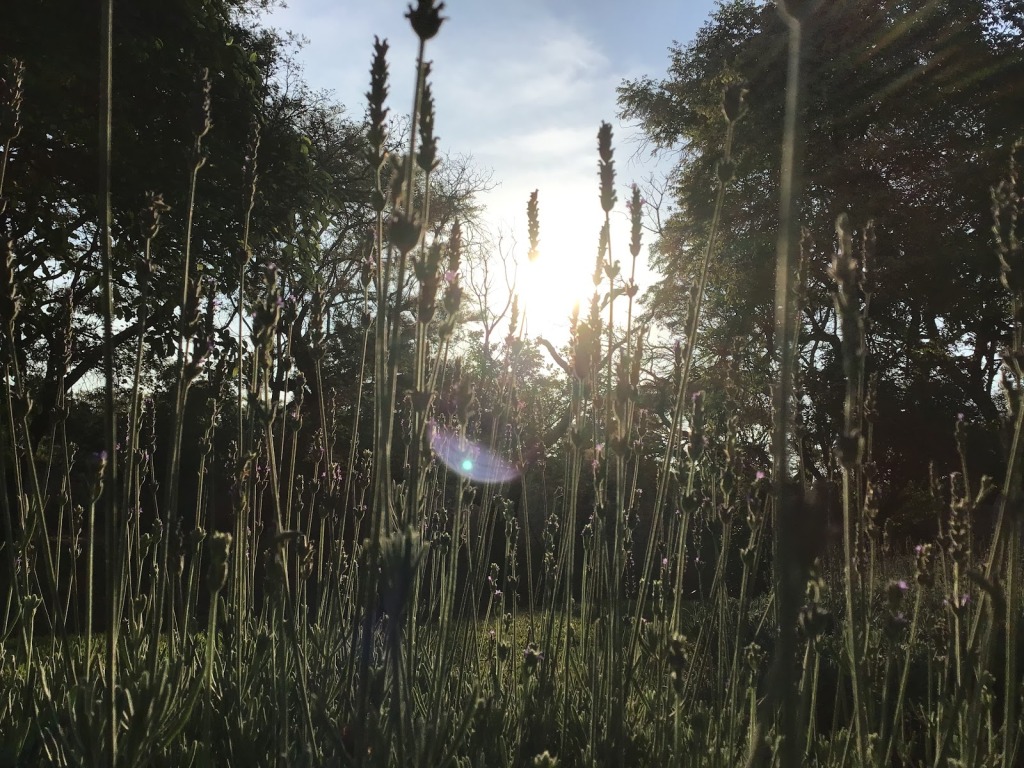
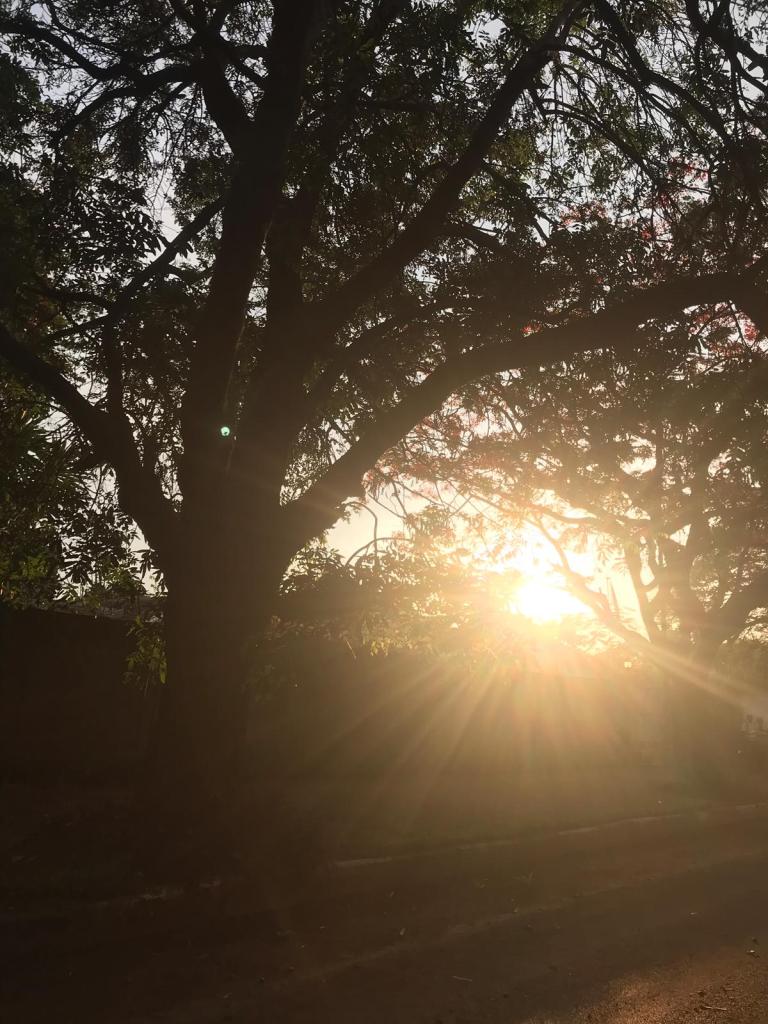
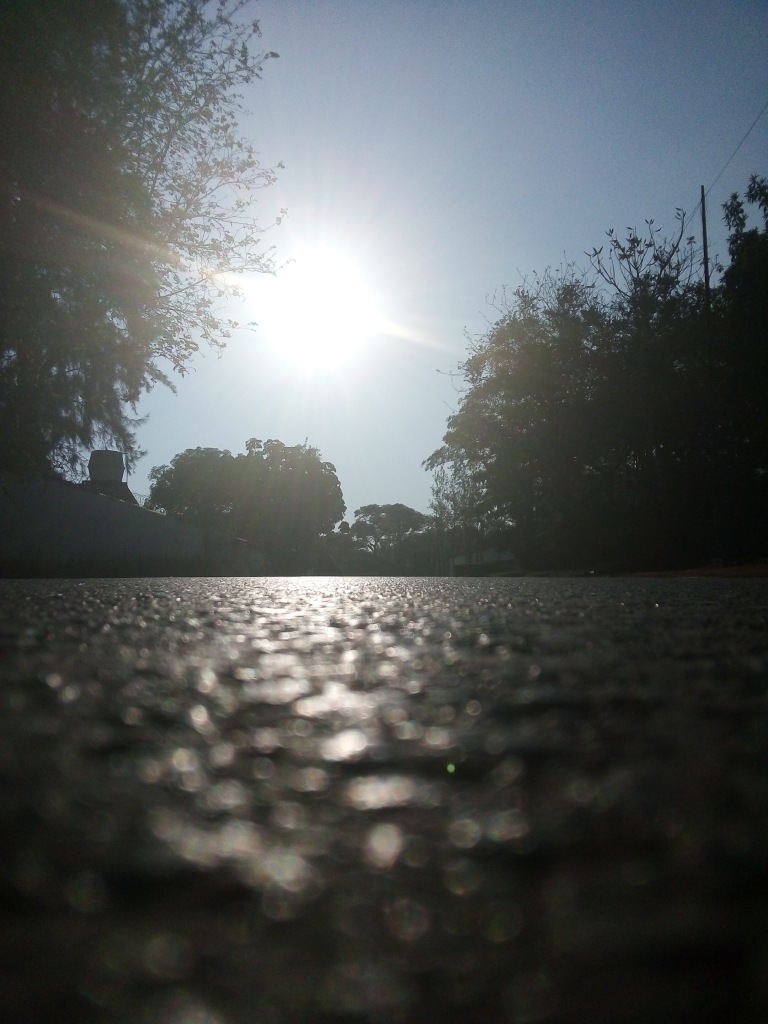
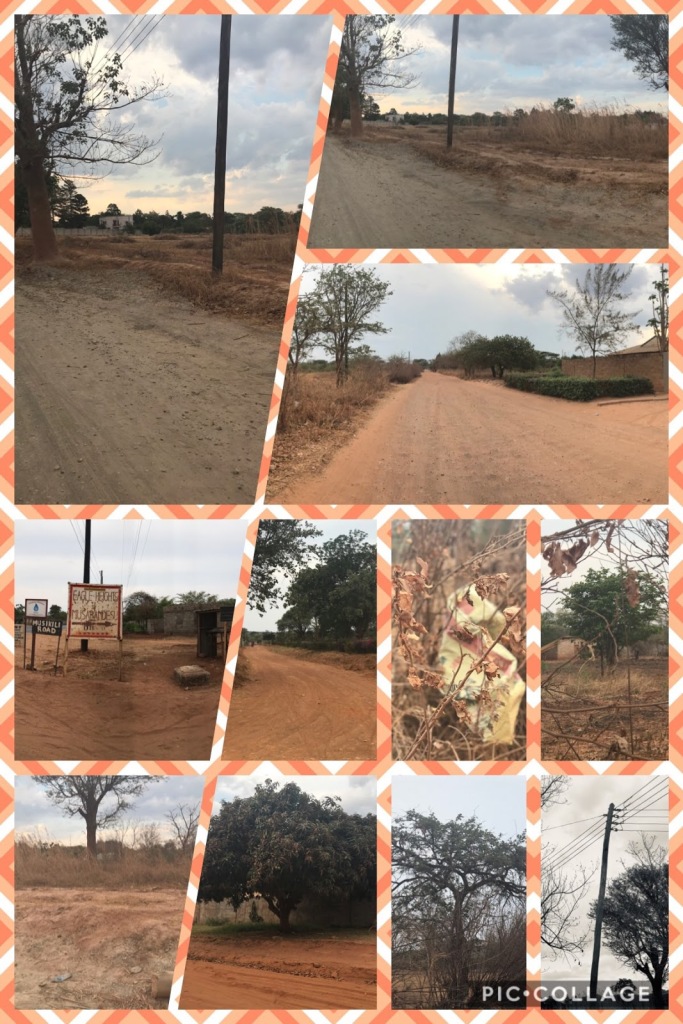
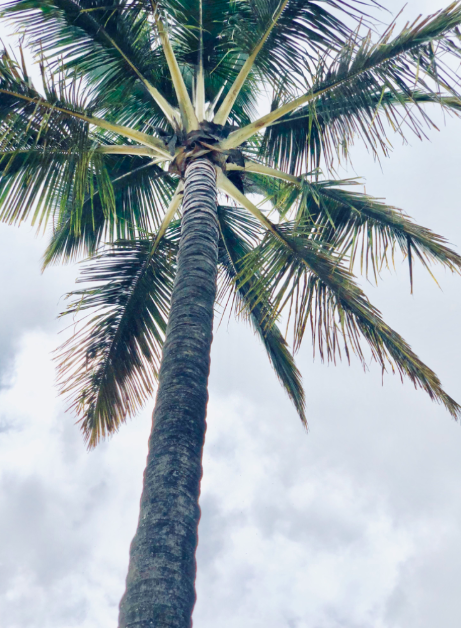
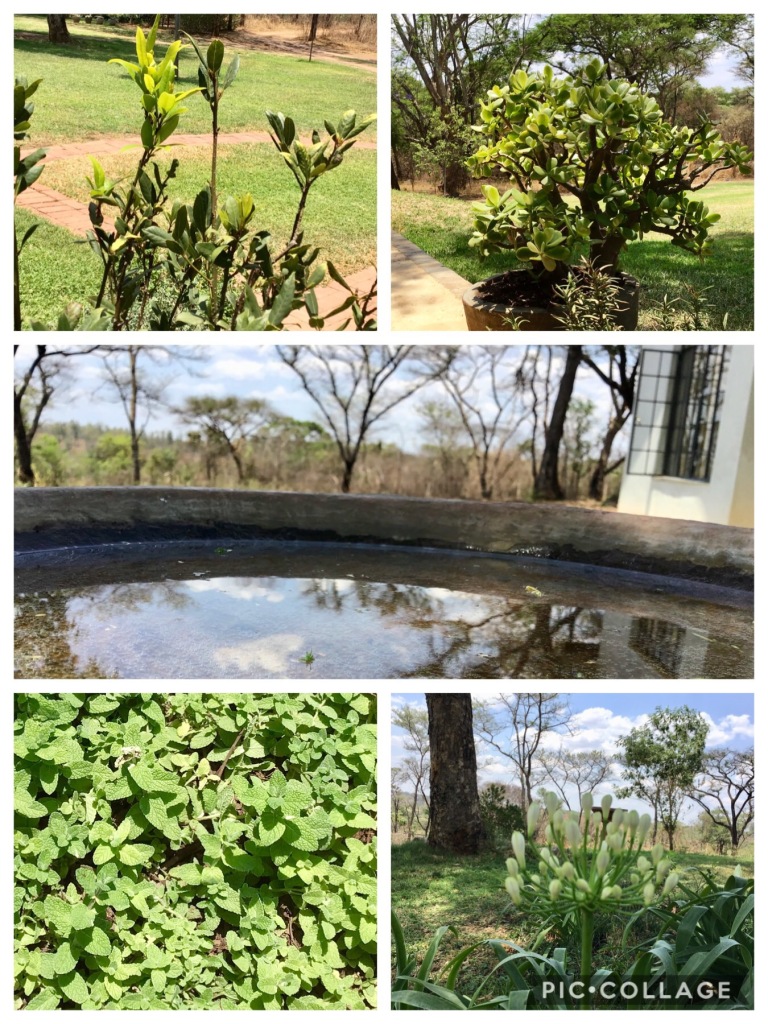
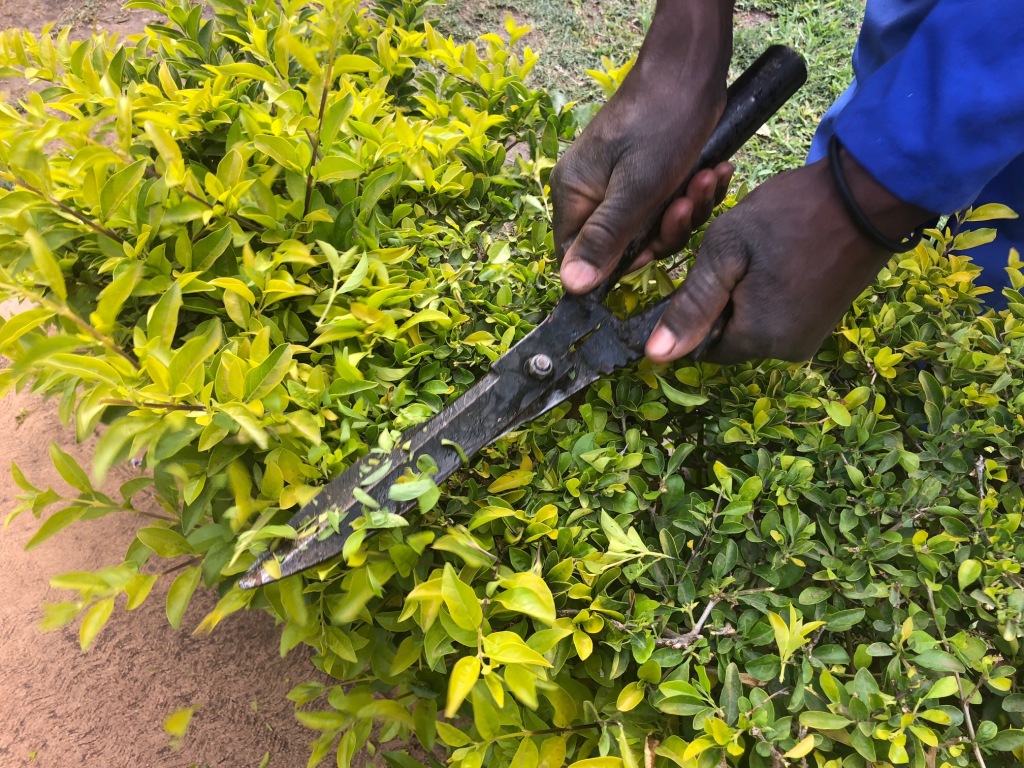
Year two for the Out of Eden Walk at the American International School of Lusaka (Zambia) produced some nice photos. Here are some that resonated with me, along with two photos I took. For many students, walking around their neighborhood is not something they are accustomed to. These students are grade 6 students in a Middle Years Programme (MYP) in Alta Conte’s classroom. I provided support and gave students tips on how to take a good photo. I also showed them exemplars from my former students at the American International School Chennai (India). The instructions from Out of Eden Learn for this footstep (activity) are below:
As you walk in your neighborhood or local area, take photos of things that catch your attention. What do you see, feel, hear, taste, or smell? Try to look at the place and the people who live or work there with fresh eyes. Here are some ideas for different kinds of photos you can take:
Photos that capture a whole neighborhood scene, and photos that zoom in on a detail you find interesting.
Photos where you’re pointing the camera up and photos where you’re pointing the camera towards the ground.
Photos of things that are common or familiar in your neighborhood, and photos of things that might be unexpected or surprising.
Greetings from Mexico City! It has been a while since I last posted on my blog. The end of the school year kept me quite busy. School ended a little over a week ago. Our family spent five days in New York State with my family and we arrived in Mexico City last night to spend two weeks with my wife’s family. I have missed some “Ted-Ed Tuesday” posts so I am going to make up for them here. Since I am in Mexico, I will share two Mexico-related videos, one from Ted-Ed on Frida Kahlo, an artist I really admire, and the another video from The British Museum on the Day of the Dead celebration and festivals in Mexico. Both are excellent!
Video by Ted-Ed
From Ted-Ed: Learn about the life and art of Mexican surrealist painter Frida Kahlo, who explored disability, relationships and Mexican culture in her work. In 1925, Frida Kahlo was on her way home from school in Mexico City when the bus she was riding collided with a streetcar. She suffered near-fatal injuries and her disability became a major theme in her paintings. Over the course of her life, she would establish herself as the creator and muse behind extraordinary pieces of art.
Video from The British Museum (2015)
From the British Museum: In 2015 the British Museum celebrated the Days of the Dead in a four-day festival full of color, music, storytelling and art. This beautiful documentary introduces the history and evolution of the Mexican Day of the Dead, from its pagan beginnings to the multi-faceted ceremony it is today.
Africa is a continent with 54 different countries. The largest black continent in the world and homes to more than 1 billion people, hence one in seven of any human on earth is an Africa.
I was very sad to read the news and watch the videos of the fire at Notre Dame. I feel very fortunate to have visited Notre Dame in January 2018. It is not just a French treasure. It is an international treasure. These short videos feature some interesting facts about its history.
Off the north coast of Canada’s Baffin Island, a June sun transforms snow and ice into limpid pools of turquoise. The Arctic’s perennial sea ice cover—the ice that survives the summer melt season—has shrunk dramatically. From “Here’s Where the Arctic’s Wildlife Will Make Its Last Stand,” January 2018 PHOTOGRAPH BY BRIAN SKERRY
SARAH LEEN HAS a job most people in the world would envy. She looks at photographs for a living. And not just any photographs — National Geographic photographs. As our Director of Photography, Leen estimates she has looked at as many images “as there are stars in the sky,” so it’s hard to narrow down her favorites. But she does that every year — here are her favorite 100of the over two million submitted to us this year, in no particular order.
Greetings! I hope you all have had a nice summer vacation. I just returned to Chennai last night after spending a month in the Finger Lakesregion of New York State. When people think of New York, they often do not think of the images above. They think of New York City. I am from a small town in central New York between Rochester and Syracuse, two medium-size cities. I enjoyed my summer riding my mountain bike, picking fresh berries, visiting nearby state parks and enjoying the beauty of the region I call home. How was your vacation and where did you go?
Here are a few photos from my past week in Himachal Pradesh, a beautiful state in the north of India, known for the Himalayan mountains and Tibetan Buddhism (among many other things). These are some videos and photos from my Instagram site. If you are on Instagram, you can follow meand I would love to see your photos as well. I hope you are enjoying your summer. I leave for New York tomorrow morning early.
"My mission in life is not merely to survive, but to thrive; and to do so with some passion, some compassion, some humor, and some style."
- Maya Angelou













 Out of Eden Walk
 Linking to Thinking
Recent Comments