If you find interesting stories, maps or links that help answer this question, please let me know and I will add it to my list of resources. As we try to understand Paul Salopek’s goal of following the path of ancient human migration, we will look to make connections with our world today.
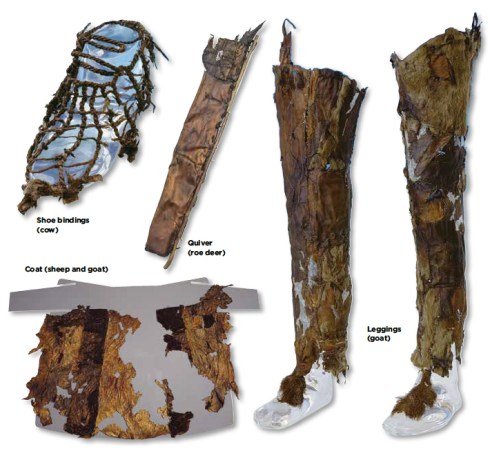
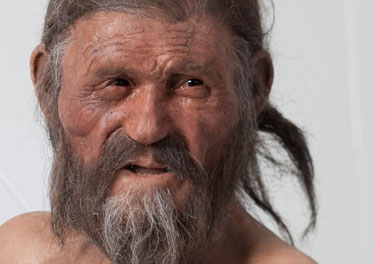
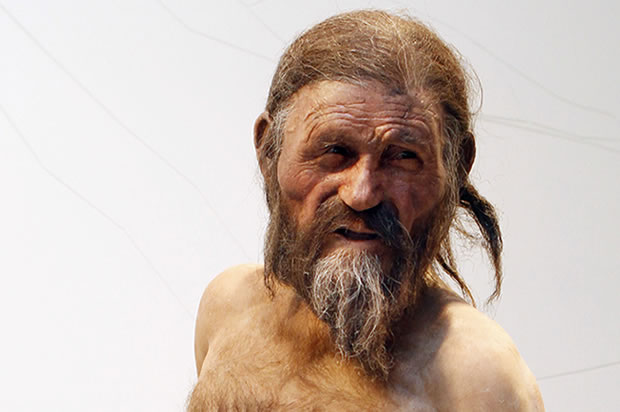
I just saw this article on Twitter via the website Archaeology.org. A new study has concluded that the wardrobe of the 5,300-year-old ice mummy known as Ötzi was assembled from five different animal species. To find out what animals were used to make Otzi’s clothes, click HEREto read the short article. It’s amazing how new scientific techniques continue to answer questions about Otzi.
This video playlist features videos that support things you have been reading in Chapter 2, lesson 2, including human migration, hunters-gatherers, communication, and the development of early farming practices.
Several students asked me to share the documentary made by PBS Nova (Ice Man Murder Mystery). How did Otzi, the Ice Man die? What did scientists and doctors learn about his life from studying his body? What can we learn about the lives of hunter-gatherers from the artifacts they found with his body? Here is a LINKto the museum where Otzi ‘lives’ in Italy. Here is a linkthe the PBS/Nova website where you can find a transcript to the documentary. Watch this playlist and documentary to see what happened (optional). If you do watch it, post a comment and share something interesting you learned.
Sentence stems:
Something interesting I learned from the documentary is…
The timing of the end of our early humans unit coincides with the news of the discovery of ancient skeletons in Africa. This story is all over the news and social media. I have included some videos from the news and some articles with images. Scientists have discovered a new human-like species in a burial chamber deep in a cave system in South Africa. The discovery of 15 partial skeletons is the largest single discovery of its type in Africa. The researchers claim that the discovery will change ideas about our human ancestors.
Image source: OCTOBER 2015 ISSUE OF NATIONAL GEOGRAPHIC MAGAZINE. Photo by Mark Thiessen/National Geographic
Image source: National Geographic
Please comment and write about anything interesting you read or heard and/or one wondering or question you might have about this discovery. Here are some articles with further stories and images:
Many students have asked me to share the Otzi documentary we watched in class. Here is the playlist. The documentary is the third video. If you find Otzi, hunter-gatherer, early farming, or other related early human websites or videos, please share the link with me. I am always looking for new resources. Thanks!
In our early human unit, you learned about the agricultural revolution, the name given to the shift or move from food gathering to food raising/growing. Early humans learned how to domesticate plants for food and animals that gave them food and clothing. People made harpoons, needles, and other tools from animal bones. New tools and methods of farming led to the invention of new tools like hoes to loosen soil, sticks to dig holes, and sickles to harvest grain. New communities and villages developed near fresh water sources, like rivers, where people built irrigation canals to move water from rivers to fields.
This playlist features some videos that go along nicely with what you are reading in chapter 2, lesson 2 (pages 58 – 62). How did farming change the way people lived? What farming techniques were part of the agricultural revolution?
We are learning about early human culture and the development of art. There are many examples of ancient cave paintings, particularly in France and Spain. Watch the video clip and also check out website for the Lascaux Cave Paintingsin France (also mentioned in pages 6-7 in your textbook). Click ‘visit the cave’ to enter this cool website that features some really amazing early art. Women made most of the oldest-known cave art paintings, suggests a new analysis of ancient handprints. Most scholars had assumed these ancient artists were predominantly men, so the finding overturned decades of beliefs.
Think about: What does this art tell us about early humans?
A civilization is made up of many parts. We will use G.R.A.P.E.S. to remember them. The GRAPES acronym in Social Studies means:
Geography Religion Achievements Politics Economy Social structures
We are currently learning about historical themes (pages xxii – xxiii in your textbook). The themes listed in the book are the same as GRAPES. Click on this link to learn more about GRAPES.
To help you understand the themes you will be learning about this year, consider these questions and comment on one or more of them:
Geography: Is your town or city near a lake, ocean, or mountains? What is the weather like? How do the landscape and weather affect the way you live?
Religion or Belief Systems: As you are growing up, how do you learn what are the right and wrong ways of behaving? What people or groups taught you those things?
Politics or Government: In our school, what would happen if every student could come to class whatever time he or she wanted? Leave class whenever he or she wanted? Talk out loud anytime, even during tests?
This is a video playlist gives an overview of what we are learning in Chapter 2, Lesson 2 –Learning to Farm and Raise Animals. Think about: How did agriculture change the way people lived together? What are the major crops grown in your country? Write your country and list the major crops.
Great timing! Here is a story that Mrs. Hall and Mr. Hoover shared with me. According to this National Geographic article, a “hand painted in an Indonesian cave dates to at least 39,900 years ago, making it among the oldest such images in the world, archaeologists reported Wednesday in a study that rewrites the history of art.The discovery on the island of Sulawesi vastly expands the geography of the first cave artists, who were long thought to have appeared in prehistoric Europe around that time. This BBC article features a short video on the caves. Click on the map below to enlarge, and you will see where Sulawesi is located in Indonesia.
Students finished lesson 1 of chapter 2 with an art project where they created their own cave art. Here is a link with some of the best cave art from around the world. The Bradshaw Foundationhas some good links also. The next lesson will focus on how early humans learned to farm and raise animals.
Great news! Paul Salopek responded to our questions we sent to him. Currently, Mr. Salopek is in Turkey observing and writing about the refugee crisis on the border of Syria. Last week, we brainstormed a list of questions we would ask him if we had an opportunity. Mr. Martin sent four questions from Tsukiho, Hanung, Yuki I., and Kennedy. He answered those questions on his blog. We have cut and pasted his response below:
From Paul:
Thanks so much, Rob. To answer the questions:
1. What do you think your entire budget will be for this journey (Yuki, Japanese)?
Paul: It’s evolving, Yuki. I started on a shoestring. Thanks to great partners such as National Geographic and the Knight Foundation, the Abundance Foundation, the Pulitzer Center on Crisis Reporting, and Project Zero, I’ve now got the shoes to go with it. Daily expenses have ranged from about $2 USD to $500 USD, depending on whether I was traveling with camels and a full team of desert guides in Saudi Arabia or walking alone across Cyprus and living on iced coffee.
2. What has been the best moment of your journey, so far (Kennedy, American)?
Paul: An impossible question, Kennedy—like asking which is the best moment of your life so far? All journeys, short and small, are made up of highs and lows that we sometimes only recognize years later. Mohammed Banounah’s jokes. Seeing the Gulf of Aden from the rocky hills of Djibouti. Or the hundreds of “ordinary” days when walking seems effortless—steeped in meaning and beautiful. Take your pick.
3. How many articles of clothing do you carry with you (Tsukiho, Japan)?
Paul: I’m still wearing the same t-shirt I started with in Ethiopia. My original pants were beyond repair, though. I have replaced them twice.
4. What will you do when you finish this journey—write a book (Hanung, Korean)?
Paul: A couple of books are coming. I’ll pause halfway (2016) to write the first.
Read more about his seven-year journey in our other blog post or on this National Public Radio article(hear him talk in this interview!). Please add other questions in the comment section here. We will continue to ask him questions throughout the year. You can also follow his blog posts and journey using the RSS feed listed on our blog (scroll down and look on the right side of the blog).
Have a great weekend and add some more questions. First, look at his website and the links and learn more about his journey before thinking of questions.
In Chapter 2, we are learning about Early Human Culture and the development of art. There are many examples of ancient cave paintings, particularly in France and Spain. Watch the playlist and also check out website for the Lascaux Cave Paintings in France (also mentioned in pages 6-7 in your textbook). Click ‘visit the cave’ to enter this cool website that features some really amazing early art. Women made most of the oldest-known cave art paintings, suggests a new analysis of ancient handprints. Here is a link with other examples of cave paintings around the world. The Bradshaw Foundation also features good information on cave art around the world.
What does this art tell us about early humans? Where are some of the places where prehistoric art or cave art has been found (see Bradshaw Foundation link and other links in this post).
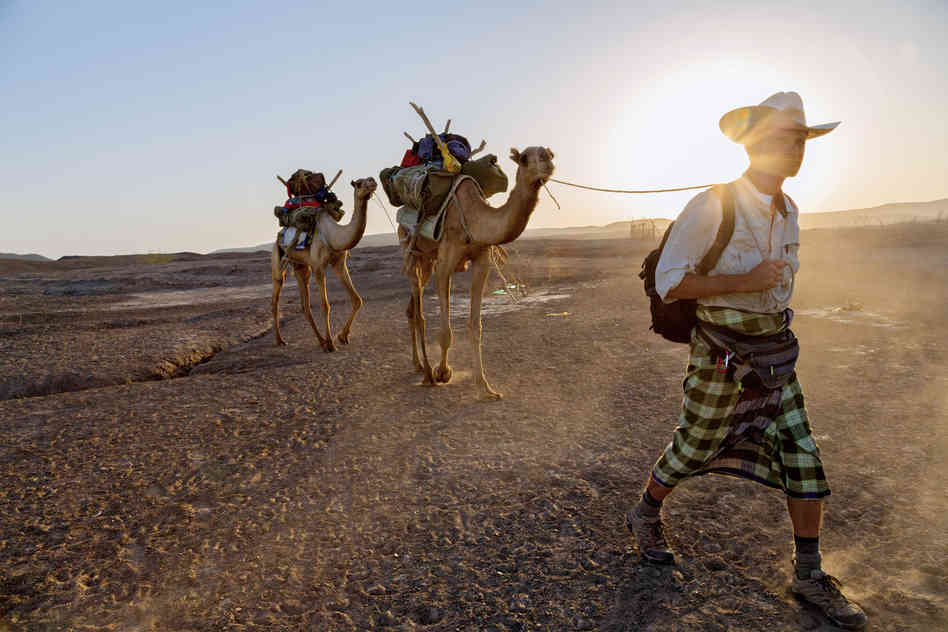
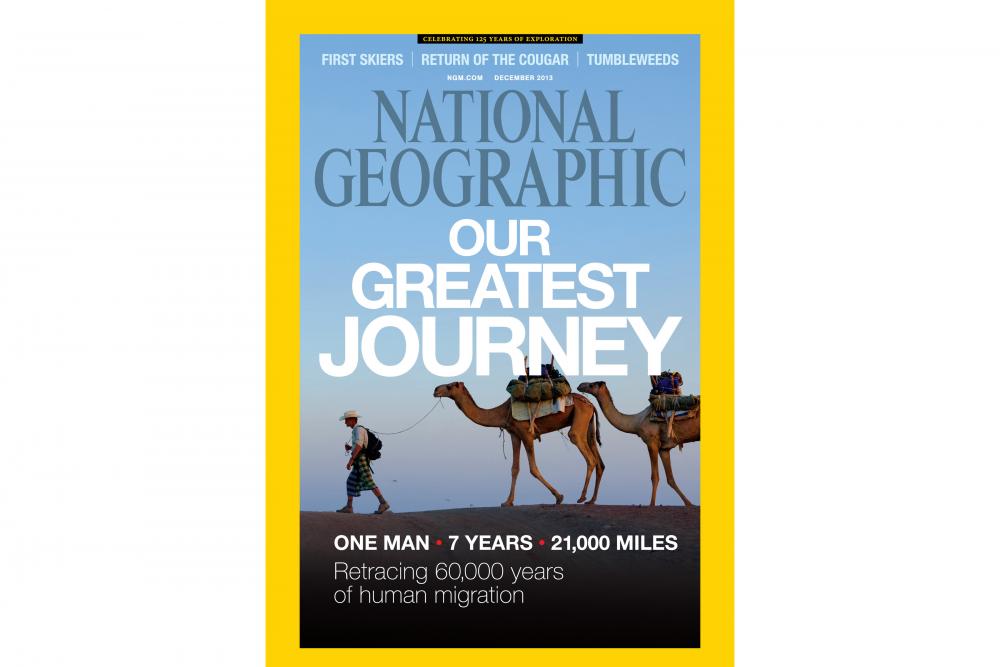
In class we are learning about early humans and migration. Follow this great story and blog by National Geographic writer, Paul Salopek as he makes a seven year journey following the footsteps of man. His Out of Eden blog can be found here. Read more about his project here:
From 2013 to 2020, writer Paul Salopek is recreating that epic journey on foot, starting at humankind’s birthplace in Ethiopia and ending at the southern tip of South America, where our forebears ran out of horizon. Along the way he is engaging with the major stories of our time — from climate change to technological innovation, from mass migration to cultural survival — by walking alongside the people who inhabit these headlines every day. Moving at the slow beat of his footsteps, Paul is also seeking the quieter, hidden stories of people who rarely make the news.
You can follow his blog or dispatches on our class blog. There is an RSS feed listed on the right side of the blog and you will see his most recent posts. You can also ask Mr. Salopek questions about his journey. He posts thematic maps hereand you can see where he currently is, if you see this Google Map. This is a very cool story, one that you can follow for the next several years. In class, we are brainstorming questions we would ask Paul. We will collect the best questions and post a message on his blog, Out of Eden Walk. Hopefully we will respond during his trek. Below is a video playlist about his journey and human migration (see pages 46-47 in our textbook).
NEW STORY ABOUT OTZI: Last week, researchers announced that they have located at least 19 living descendantsof a prehistoric iceman discovered along the Italy-Austria border in 1991. Known as Ötzi the Iceman, he is believed to have lived roughly 5,300 years ago before meeting a violent death. The news of Ötzi’s numerous living descendants is just the latest in a long series of discoveries scientists have made regarding the mummy. I think it’s pretty cool that we are still learning more about Otzi, after he was discovered over 20 years ago. Amazing!
In Chapter 2, we learned about Early Human Culture and the development of art. There are many examples of ancient cave paintings, particularly in France and Spain. Watch the video clip and also check out website for the Lascaux Cave Paintings in France (also mentioned in pages 6-7 in your textbook). Click ‘visit the cave’ to enter this cool website that features some really amazing early art. Women made most of the oldest-known cave art paintings, suggests a new analysis of ancient handprints. Most scholars had assumed these ancient artists were predominantly men, so the finding overturns decades of archaeological dogma.
Think about:Why do you think they painted in caves and what this art symbolize or mean to the people? How was cave art different from other kinds of art created by early humans? What does this art tell us about early humans? Respond to any of these questions.
In Chapter 2 (lesson 3), you will read on pages 70 – 71 about a famous 8,000 year old village in present-day Turkey named Catal Huyuk. Click on the link and read about the mysteries of Catal Huyuk, an example of a complex village. Look at some photosof what it looks like today and the archaeological work there. The website is cool and very student-friendly. Essential Question: How did life in a complex village compare with that in a simple village?
On Friday, October 11th you will have a test on Chapter 2, Lessons 1, 2, and 3. How can you study and prepare for this test?
Review the notes in the Moodle folder (Chapter 2)
Classzone– flipcard vocabulary review, online quiz, and other activities
Study the vocabulary, notes and review questions in your notebook
Re-read the lessons
Watch the video clips and review the links on the blog
"My mission in life is not merely to survive, but to thrive; and to do so with some passion, some compassion, some humor, and some style."
- Maya Angelou







 Linking to Thinking
Recent Comments