Archive | Social Studies RSS feed for this section

Primary vs. Secondary Sources

4 Sep
In our final lesson from chapter 1, you will learn about primary and secondary sources and how historians study the past.  Click on the hyperlink to see an Infographic that highlights the differences.  The video playlist has several videos on primary and secondary sources. Check them out!


New Books in the CIC!

3 Sep
CIC Party

CIC Party

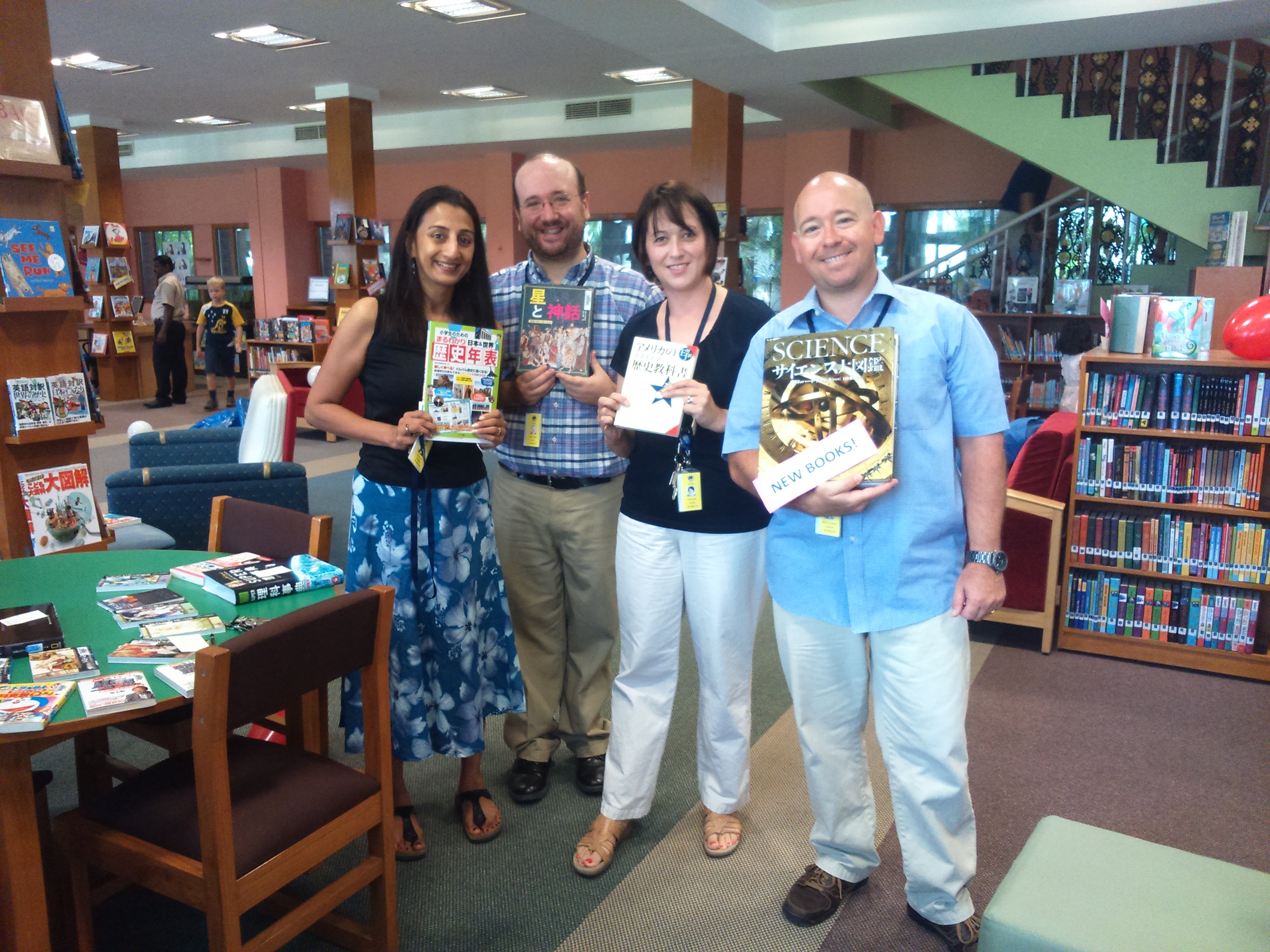
The Collaboration and Inquiry Center (CIC) has over 1,500 new books for students to check out, beginning on Thursday. There are a wide range of new books from fiction to non-fiction, and we have many that support our curriculum that are in Japanese, Korean, and other languages. You can see the books on display now, if you visit the CIC (bottom and top floors). The CIC catalogue of books can be found HERE and at the bottom of this blog. Mr. Jet and his staff, along with your teachers, encourage you to visit. Check it out!


Maps and GPS

28 Aug
We have been learning about different types of maps and key terms used when reading maps.  The end of chapter 1, lesson 2 (pages 24 – 25)  features information on the future of navigation and the use of satellites of the Global Positioning System, of GPS.  What uses for GPS can you think?


G.R.A.P.E.S.

18 Aug
A civilization is made up of many parts. We will use G.R.A.P.E.S.  to remember them. The GRAPES acronym in Social Studies means:
Geography
Religion
Achievements
Politics
Economy
Social structure
We are currently learning about historical themes (pages xxii – xxiii in your textbook).  The themes listed in the book are the same as GRAPES. Click on this link to learn more about GRAPES.


http://youtu.be/Bee5nHE9mgI

What is Social Studies?

12 Aug


Lego Ancient Monuments

12 Jun

legobuilding12

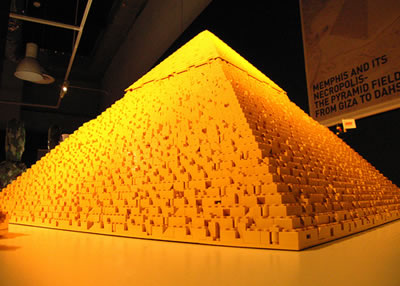
Check out this article and the images of ancient or modern monuments made of Legos. We hope your summer is going well!

Research Projects & Documentaries

26 May
Check out some of the videos that students in Mr. Martin, Ms. Jaya, and Mr. Seth’s class created for their research project.  Many were very creative and artistic and focused on a topic of the student’s choice. Enjoy!


Projects, Projects!

21 May

This slideshow requires JavaScript.

The students have been working hard in recent weeks on a research project in our non-fiction unit. They are currently working on creating book trailers for a book they have read this semester. This is an opportunity to celebrate our year in language arts. Student samples will be added to the blog soon!

Textbooks & Library Books

13 May
world-history-ancient-civilizations-mcdougal-littell-hardcover-cover-artWe would like students to return textbooks by Friday.  Also, please return novels to our Humanities library. Here is a message from Mr. Jet:
Please note that the last day for student and parent check-out is May 16.  The CIC Library will still be open of course for students to visit, work on projects, and look at books until the end of the school year. 🙂 We also have a wonderful collection of eBooks (over 4,000) which we would love to encourage students, parents, and staff to use.  They can be accessed at home or at school and our eBook collection covers both curriculum content and pleasure reading.  If you would like to take advantage of our eBooks, but need help, please let us know and we can assist you.  We are here and happy to help!  Mr. Jet


20 Awe-Inspiring Ruins from the World’s Greatest Civilizations

12 May
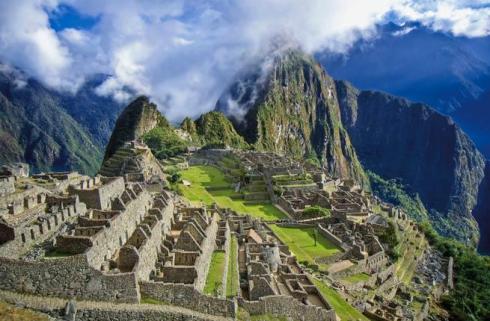
Photo Credit: agap/Shutterstock

Photo Credit: agap/Shutterstock

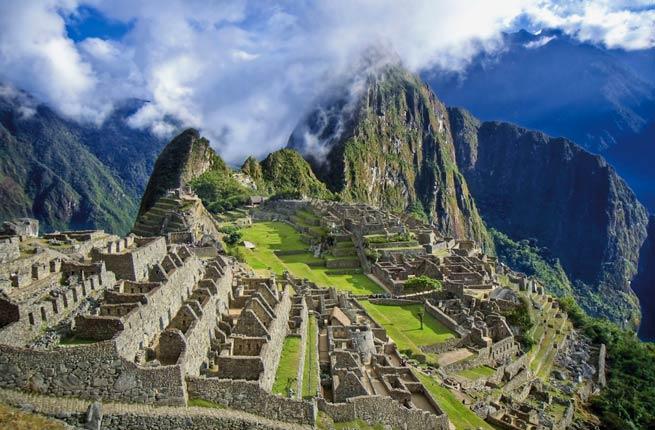
“All over the globe, from Italy to Zimbabwe, civilizations have left behind impressive monuments and structures that attest to their former glory. Appearing in literature, songs, and films, these mystical sculptures, sacred religious sites, royal palaces, fortifications, ancient centers of commerce, ports, and tombs are all we have left of some of history’s most illustrious societies. While some sites were lost for centuries, engulfed by overgrown jungles, others never fell out of use. Either way, these 20 awe-inspiring places are sure to inspire travelers looking for adventure and a connection to the past.” – by Laura Itzkowtiz
Click on the link and check out this slide show. It’s hard to pick 20 places, and I am sure some should be added or are missing from this list. Have you been to any of these places? 

Overpopulated (BBC Documentary)

29 Apr


Mr. Phan shared this with us. He said a parent shared it with him.  Our current and last unit, China and India, are the two most populous countries in the world today. We have discussed migration a lot this year as well. This is a very interesting documentary. Watch it when you have time and share your opinion of it in the comment section.


Out of Eden – A Journey Through Time

21 Apr
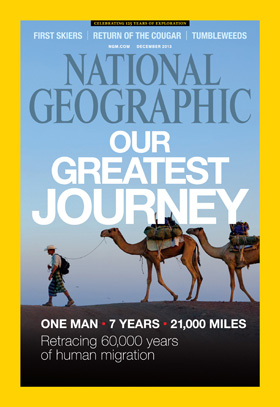
National Geographic - Dec. 2013 issue

National Geographic – Dec. 2013 issue

What is the Out of Eden Project?
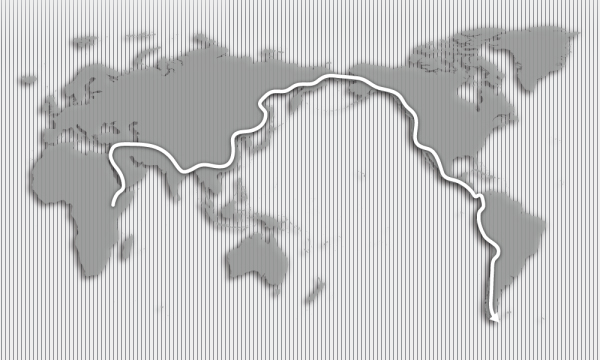
From 2013 to 2020, writer Paul Salopek is recreating that epic journey on foot, starting at humankind’s birthplace in Ethiopia and ending at the southern tip of South America, where our forebears ran out of horizon. Along the way he is engaging with the major stories of our time — from climate change to technological innovation, from mass migration to cultural survival — by walking alongside the people who inhabit these headlines every day. Moving at the slow beat of his footsteps, Paul is also seeking the quieter, hidden stories of people who rarely make the news.
Their tales highlight a central truth of our humanity in this globalized age: The most important narratives of our time, once monopolized by the developed world, now increasingly appear at the world’s margins. Click here to learn more about the Out of Eden Project. We have created an RSS feed on the right side of the blog where you can see dispatches or blog posts from Paul Salopek’s journey. The website, map room link, and other information are very interesting, and we believe this will be an interesting journey to follow over the next seven years. You can follow his journey using a variety of social media sites – Twitter, Facebook, and the Dispatches blog to name a few.
Source: Out of Eden

Source: Out of Eden

Something Fun: Countries of the World Challenge

9 Apr

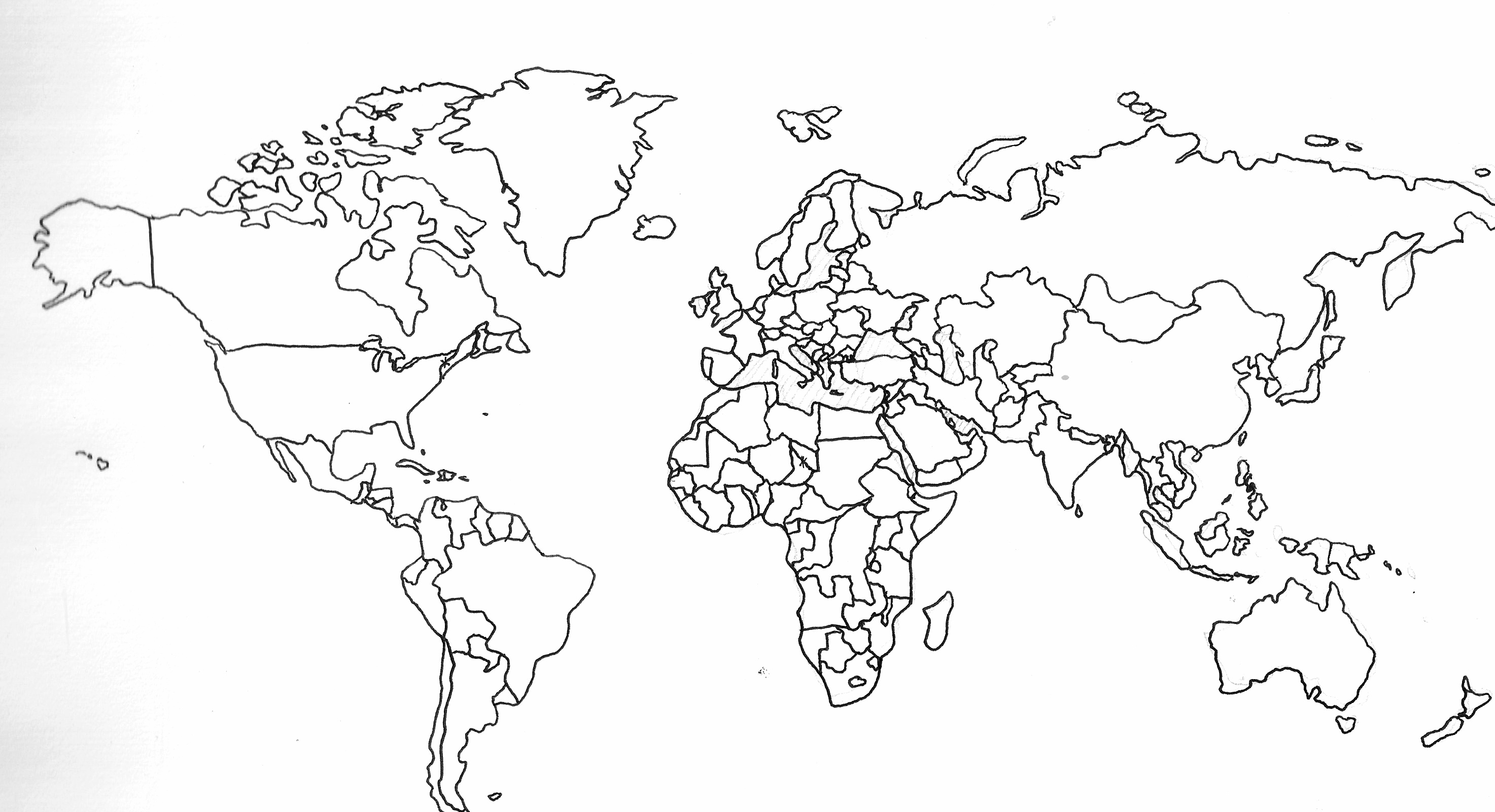
blank-world-map-with-countries-outlinedhappy-valentines-day--satsumabug-4x4fn8hj

I have a great online quiz to challenge you. How many countries can you name? As you name the country, a map will be filled in. You have 12 minutes. Are you ready?  Click HERE to start. Post a comment and tell us how many you can name. No cheating!!! :>)

Nelson Mandela – Rest in Peace (R.I.P.)

6 Dec

This slideshow requires JavaScript.

Nelson Mandela died yesterday at 95 years of age. Watch the CNN Student News video to learn more about the life, legacy and accomplishments of this Nobel Peace Prize winner. Nelson Mandela was the former South African president and anti-apartheid icon. Mandela joined the African National Congress (ANC) party in the 1940s and would go on to lead protests against the ruling apartheid regime, which restricted the basic rights of South Africa’s nonwhite population and barred their participation in government. His resistance to such oppressive policies earned him nearly three decades in prison, during which he became an international symbol of the anti-apartheid movement. Upon his release in 1990, Mandela helped negotiate an end to the apartheid system, and four years later he won election as the first black president of South Africa. He retired from politics in 1999, but remained a global advocate for peace and social justice. Click here is to see a timeline of his life.
Here is another video and news story from the History Channel. Mandela inspired countless individuals. Here is a link to some of his most famous quotes and a few here:
“It always seems impossible until it’s done.”
“Resentment is like drinking poison and then hoping it will kill your enemies.”

Civilization Rap

4 Dec

I just discovered this civilization epic rap by Dan Bull. Cool!

How Ancient People Moved Mountains (NG)

12 Nov

This slideshow requires JavaScript.

The temple of Angkor Wat, the Egyptian pyramids, Stonehenge, and the famous statues on Easter Island were all built without the conveniences of modern technology. Ancient peoples didn’t have access to forklifts, hydraulic cranes, or flatbed trucks. So how did they build the temples and statues that we admire today?  This question is one of the first I have when I visit an amazing ancient ruin like the ones mentioned here. Read this new National Geographic article I just saw on Facebook to learn how some of these places might have been built. How were they built? 

Stonehenge

13 Aug
In class today, we talked about the ancient monument of Stonehenge, located in England.  Groups discussed what they thought was the purpose of Stonehenge, how it was built, and what it might have meant to the people who built it (see pages 2-3 in your textbook).  Watch these two videos to learn more about Stonehenge.  Also, here is an article from Discovery News to learn more about Stonehenge:
Understanding Stonehenge: Two Explanations

G.R.A.P.E.S.

11 Aug

This slideshow requires JavaScript.

A civilization is made up of many parts. We will use G.R.A.P.E.S.  to remember them. The GRAPES acronym in Social Studies means:
Geography
Religion
Achievements
Politics
Economy
Social structure
We are currently learning about historical themes (pages xxii – xxiii in your textbook).  The themes listed in the book are the same as GRAPES. Click on this link to learn more about GRAPES.